




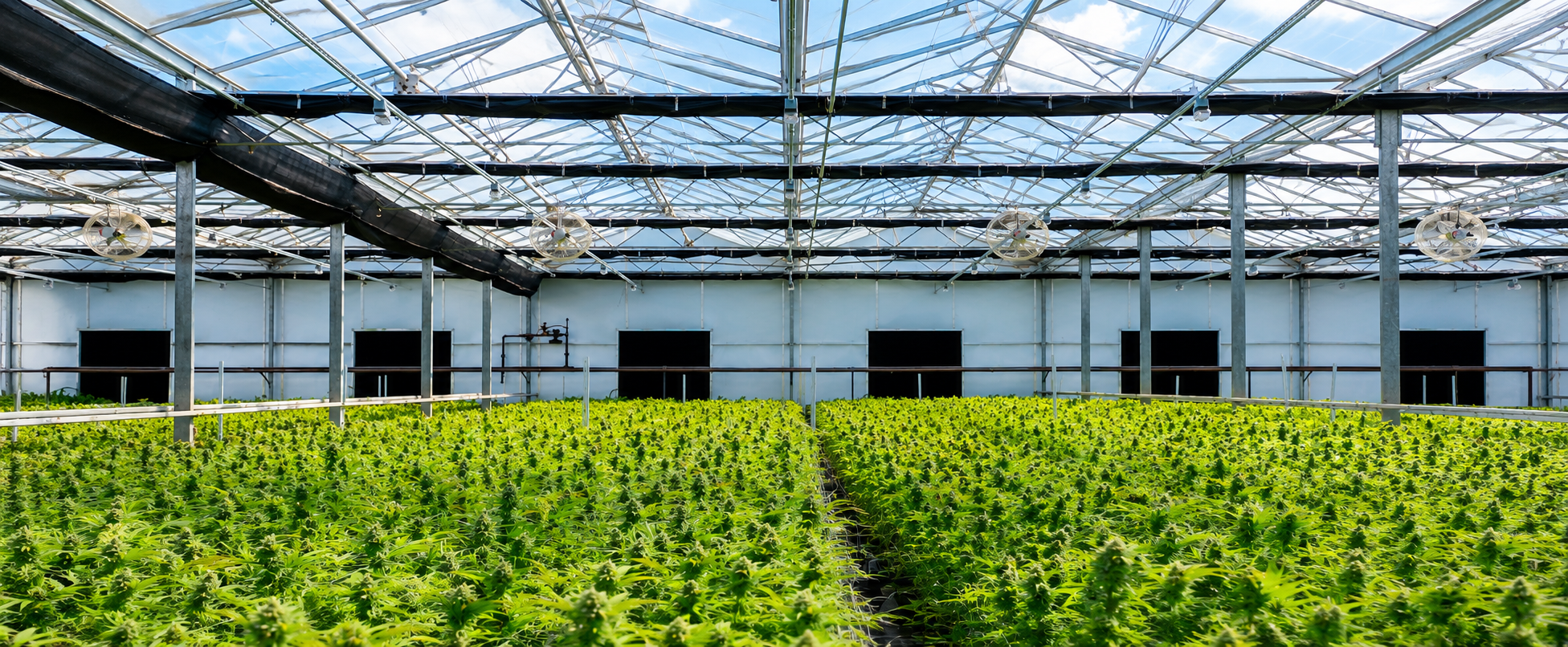
Bangkok warehouses can support lawful cannabis, hemp, controlled herb, medical cannabis, storage, processing, or extraction operations only when the property, license path, building systems, landlord approval, and local regulations all fit the intended use.
This guide is for operators considering warehouses, factories, or industrial properties in Bangkok and nearby provinces. It focuses on real estate due diligence and site selection. It is not legal advice, licensing advice, or medical cannabis operating advice.
Important: Hero Realtor is a real estate agency, not a law firm, cannabis operator, or licensing authority. Before signing a lease, paying a deposit, buying property, importing equipment, or applying for permits, confirm the latest requirements with qualified Thai legal counsel and the relevant government authorities.
Thailand’s Cannabis Rules Are No Longer the 2022 Market Environment
Businesses should not rely on the open-market assumptions that followed cannabis decriminalization in 2022. Thailand now regulates cannabis flower as a controlled herb, with stricter requirements for research, export, commercial sale, processing, reporting, sourcing, advertising, and medical use. The Ministry of Public Health and Department of Thai Traditional and Alternative Medicine have issued updated rules and guidance on controlled herb cannabis licensing, medical cannabis service locations, cultivation standards, and factory or extraction operations.
Under the current controlled herb framework, activities involving cannabis flower may require permission before research, export, sale, or commercial processing. The rules also restrict online sales, vending-machine sales, commercial advertising, and non-medical retail models. Operators should review the official Controlled Herb (Cannabis) B.E. 2568 announcement and the DTAM controlled herb application system before committing to a property.
Can You Rent or Buy a Warehouse for a Cannabis Business in Bangkok?
Possibly, but a warehouse lease or purchase agreement alone does not make the operation legal. The correct question is not simply whether the warehouse is large enough. The correct question is whether the planned activity, operator, building, location, landlord consent, utilities, security, storage conditions, waste systems, and license pathway all match the law.
Before choosing a warehouse, define the exact activity:
- Indoor cultivation or nursery operations
- Drying, trimming, grading, packaging, or secure storage
- Controlled herb research
- Wholesale storage or distribution to licensed counterparties
- Herbal product manufacturing
- Medical cannabis service supply chain support
- Extraction, oil, resin, concentrate, or laboratory operations
- Export-related handling, where legally permitted
Each activity may trigger different licensing, zoning, factory, public health, environmental, security, and reporting requirements. A property that works for dry storage may not be suitable for cultivation, and a property that works for cultivation may not be suitable for extraction.
Licensing and Compliance Checks Before Signing
The safest approach is to confirm the license path before selecting the property. For controlled herb cannabis, the official DTAM system includes application and reporting channels for research, export, sale, and processing. The 2026 guidance also makes clear that flower intended for sale or processing must meet specific documentation and quality-control requirements, including approved standards such as GACP or COA where applicable.
Key items to confirm first
- Activity permission: Confirm whether the planned activity is allowed and which authority must approve it.
- Applicant eligibility: Confirm whether the applicant can apply as an individual, Thai company, foreign-invested company, BOI-promoted entity, medical operator, herbal product operator, factory, or other permitted structure.
- Property-use rights: Licensing may require proof of ownership, lawful possession, or written landlord consent covering the licensed period.
- Controlled herb forms: Research, export, sale, processing, stock, and movement reporting may require specific DTAM forms and records.
- Factory requirements: If machinery, employees, production, extraction, or industrial processing brings the site under the Factory Act, factory licensing or Ror Ngor 4 review may be required.
- Medical-use restrictions: Downstream sale or supply should be checked against the medical cannabis and controlled herb rules in force at the time of operation.
Special Warning for Extraction and THC Concentrates
Extraction is not a normal warehouse use. If the business involves oils, resin, concentrates, distillation, cannabinoid extraction, laboratory equipment, flammable solvents, or high-value controlled materials, the property must be reviewed as a regulated industrial and controlled-substance facility.
Official guidance for cannabis and hemp extract factories states that extracts containing more than 0.2% THC by weight remain controlled as Category 5 narcotics and require a specific permission pathway. These sites may need FDA, narcotics, factory, safety, environmental, storage, traceability, labeling, waste-disposal, and security systems beyond ordinary warehouse requirements.
For extraction or manufacturing, operators should review the official DTAM guidance for cannabis production and extraction factories before negotiating a lease or purchase.
What Makes a Warehouse Suitable for Licensed Cannabis Operations?
1. Lawful zoning and building use
Check whether the property location and building type can legally support the intended activity. Some operations may be more appropriate in industrial zones, factory areas, industrial estates, or provinces with clearer logistics and utility infrastructure. Always verify land use, building permits, district rules, and local restrictions before paying a deposit.
2. Written landlord consent
The lease should clearly allow the exact intended use, such as controlled herb storage, licensed cannabis cultivation, herbal processing, research support, or factory use. Do not rely on verbal approval. Many landlords will not accept cannabis, hemp, controlled herb, high-electricity, odor-producing, chemical, or extraction-related operations unless they are fully disclosed in writing.
3. Electricity capacity and direct billing
Indoor cultivation, humidity control, HVAC, dehumidifiers, pumps, lighting, refrigeration, security systems, and processing equipment can require substantial power. Check transformer capacity, meter type, wiring, backup power, expansion options, and whether electricity is billed directly by MEA or PEA rather than resold through the landlord.
4. Water, drainage, and wastewater
Cultivation, cleaning, processing, and extraction support areas may require reliable water pressure, filtration, floor drains, wastewater controls, and documented waste handling. Poor drainage can create odor, pest, hygiene, and neighbor-complaint risks.
5. Ventilation, odor, humidity, and temperature control
Cannabis-related facilities may need controlled airflow, odor management, dehumidification, insulation, temperature control, and mold-prevention systems. A basic metal warehouse may be inexpensive but expensive to retrofit for controlled environmental conditions.
6. Secure storage and access control
Regulated facilities should support CCTV, perimeter security, controlled entry, visitor logs, separated authorized areas, secure storage rooms, inventory records, delivery controls, and inspection access. Security requirements should be matched to the exact license conditions.
7. Hygiene and pest control
For plant handling, drying, trimming, storage, herbal product production, or medical supply-chain use, inspect floors, walls, ceilings, drains, washable surfaces, pest entry points, clean and dirty zones, and storage separation. The building must be practical to clean and document.
8. Waste, chemicals, and community impact
Plant waste, packaging waste, wastewater, extraction residue, chemicals, odor, smoke, noise, delivery traffic, and security activity can create complaints. A suitable warehouse should allow compliant waste handling and should not expose the business to avoidable nuisance claims from nearby communities.
Best-Fit Areas Near Bangkok
The right location depends on the approved activity, logistics, utilities, labor, licensing path, and landlord attitude. Do not choose a province or district only because rent is cheaper. Choose the location that can support the legal and technical operating model.
Pathum Thani
Pathum Thani can be suitable for operators needing larger warehouse or factory-style buildings with access to northern Bangkok and central Thailand routes.
Samut Prakan and Bang Phli
Samut Prakan and Bang Phli are often considered for warehouse, logistics, light-industrial, and distribution uses because of their connection to Bangkok, Suvarnabhumi Airport, and major transport routes.
Lat Krabang
Lat Krabang may suit operators that need airport-side logistics or export-related access, provided the controlled product movement, licensing, and storage rules are satisfied.
Ayutthaya and Chachoengsao
Ayutthaya and Chachoengsao may be considered for larger industrial facilities, depending on zoning, workforce, utilities, distance from customers, and licensing requirements.
Renting vs Buying a Warehouse
Renting
Renting is usually more flexible and may be better for operators still confirming permits, volumes, and business model viability. However, the lease must allow the intended controlled herb or cannabis-related use, fit-out works, inspections, electrical upgrades, security systems, HVAC installation, drainage work, and early termination protection if licensing is refused.
Buying
Buying gives more control over building upgrades, long-term equipment investment, security, and utilities. However, buyers must check title, land-use restrictions, mortgages, access rights, factory history, environmental liabilities, and foreign ownership limitations. Foreign investors should not assume they can directly own land in Thailand. BOI-promoted entities may have specific land ownership privileges for approved promoted activities, but this must be reviewed separately before purchase.
Documents to Request Before a Site Visit or Offer
- Land title deed and building ownership documents
- Building permit, approved use, and any factory license history
- Latest electricity bills and meter details
- Transformer capacity and upgrade options
- Water supply, drainage, and wastewater information
- Floor loading, ceiling height, loading access, and truck circulation details
- Fire safety systems, insurance history, and maintenance records
- Neighboring uses, nearby sensitive sites, and complaint history
- Written landlord consent for the exact intended activity
- Permission to install HVAC, odor control, security, and utility upgrades
Red Flags
- The landlord will not put cannabis, hemp, controlled herb, or factory use in writing.
- The property is close to sensitive community uses where odor, traffic, or security activity could cause complaints.
- Electricity is only available through a landlord sub-meter with unclear charges.
- The roof, insulation, drainage, or floor condition is poor.
- The building cannot support humidity, odor, temperature, or pest control.
- The property cannot provide proof of lawful use or possession for licensing.
- The planned activity involves extraction, but the site is only suitable for storage.
- The operator wants to sign before confirming licensing, zoning, and legal advice.
Final Advice Before Choosing a Warehouse
For licensed cannabis, hemp, or controlled herb businesses, the property decision should come after the compliance decision. First confirm what the business is legally allowed to do. Then confirm what licenses, reports, quality standards, facility controls, and counterparties are required. Only after that should you choose the warehouse.
Hero Realtor can help identify warehouses, factories, and industrial properties in Bangkok and nearby provinces that may be suitable for compliant commercial use. The operator remains responsible for confirming all licenses, legal permissions, technical requirements, and regulatory approvals before signing any lease or purchase agreement.
To discuss available warehouse and factory options, please contact Hero Realtor through our contact page.