





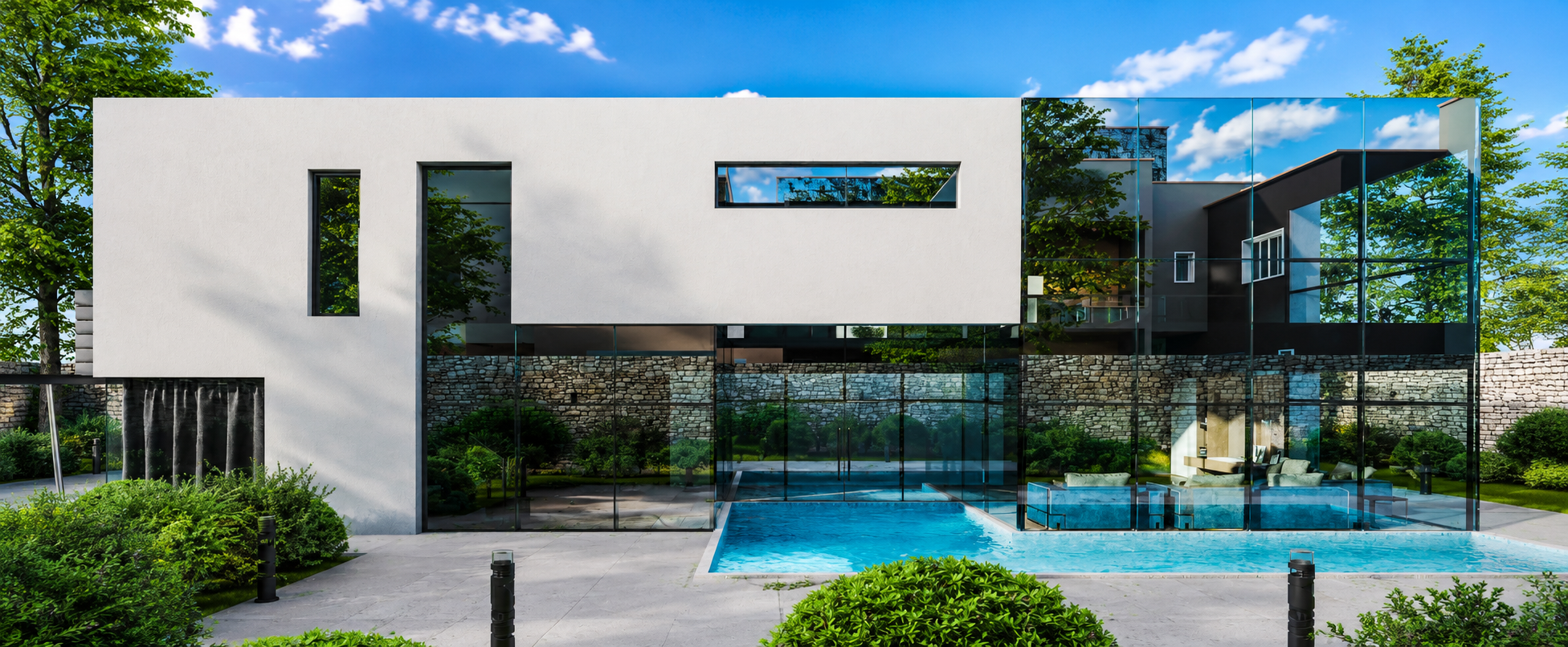
Renting property in Thailand is usually straightforward for foreigners, whether you are moving for work, retirement, study, family, business or a long-term lifestyle change. Thailand offers many rental options, including condos, houses, townhouses, villas, serviced apartments and rooms in shared accommodation.
However, beginners should understand how the rental process works before signing a lease. You need to review the property condition, deposit amount, lease term, included furniture, maintenance responsibilities, utility charges, visa suitability and the landlord’s rules.
This guide explains what foreigners need to rent property in Thailand, the types of homes available, what to check before signing, and how to avoid common mistakes.
Can Foreigners Rent Property in Thailand?
Yes. Foreigners can rent residential property in Thailand. In most normal rental situations, a foreign tenant can rent a condo, house, villa, townhouse or apartment with a valid passport and the funds needed for the deposit and rent.
Renting is often easier than buying because foreign ownership of Thai property is restricted in certain cases, especially for land. For many newcomers, renting first is the safest way to understand the country, test a location and compare lifestyle needs before making a long-term decision.
Visa Considerations Before Renting
Your visa type does not usually prevent you from renting a home, but it should match your intended stay. For example, signing a 12-month lease may not be practical if you only plan to stay for a short tourist visit.
The Ministry of Foreign Affairs lists several visa categories, including Tourist Visa and Non-Immigrant Visa, while the official Thai e-Visa platform is used for online visa applications where available. Before committing to a long lease, check that your visa, extension plan or long-stay arrangement supports your expected rental period.
Practical advice:
- Short stay: consider hotels, serviced apartments or monthly rentals.
- Medium stay: check whether a 3-month or 6-month lease is possible.
- Long stay: a 12-month lease is common for condos, houses and villas.
- Work, retirement, education or family stay: confirm visa requirements with the relevant embassy, immigration office or qualified adviser.
What Do You Need to Rent a Property in Thailand?
Requirements vary by landlord and property type, but most tenants should prepare the following:
- Valid passport
- Copy of visa or entry stamp, if requested
- Security deposit
- Advance rent
- Contact details in Thailand
- Employer, school or relocation details, if relevant
- Signed lease agreement
For most standard private residential leases, tenants are commonly asked to pay a security deposit plus the first month’s rent before move-in. The exact amount depends on the landlord, property type, lease term and negotiation.
How Much Deposit Do Tenants Usually Pay?
In practice, many private rentals in Thailand ask for two months’ rent as a security deposit plus one month’s rent in advance. Some properties may ask for one month’s deposit, while some luxury houses or special cases may require different terms.
Tenants should always confirm:
- Deposit amount
- Advance rent amount
- When the deposit will be returned
- What deductions are allowed
- Whether utility bills, cleaning, damage or lost keys can be deducted
- Whether the deposit is refundable if the tenant breaks the lease early
Deposit terms should be written clearly in the lease agreement. Never rely only on a verbal promise.
Common Property Types for Rent in Thailand
Rooms for Rent
Rooms for rent are usually the most affordable option. They may include a room in shared accommodation, a simple studio, or a small private room in an apartment building. This option can suit students, short-term workers or tenants with a limited budget.
Condos for Rent
Condos are one of the most popular rental choices for foreigners in Bangkok, Pattaya, Phuket, Chiang Mai and other major cities. Condo buildings often include security, keycard access, elevators, parking and shared facilities.
Common condo facilities may include:
- Swimming pool
- Fitness room
- Sauna or steam room
- Lobby and reception area
- Garden or shared outdoor space
- Security guards and CCTV
- Parking, depending on the building
Condos are often located near BTS, MRT, shopping centers, restaurants, offices, beaches or lifestyle areas, depending on the city.
Serviced Apartments
Serviced apartments are useful for tenants who want convenience, furniture, cleaning service and flexible stay periods. They are often more expensive than standard condos, but they may include utilities, housekeeping, reception service and easier move-in arrangements.
Houses for Rent
Houses are popular with families, pet owners and tenants who need more privacy, parking or outdoor space. In Bangkok, houses are often found in suburban or residential areas such as Bang Na, Ari, Rama 9, Ladprao, Srinakarin, Ratchaphruek and Sukhumvit side streets.
Before renting a house, check maintenance responsibilities carefully. Air-conditioning, garden care, pest control, roof repairs, plumbing and pool maintenance can become important costs.
Townhouses for Rent
Townhouses offer more space than most condos but are usually more affordable than large detached houses. Some are located in gated communities with controlled access, shared facilities, security and family-friendly surroundings.
Townhouses can be a good option for families who want several bedrooms, parking and a neighborhood feel without paying for a large luxury villa.
Villas for Rent
Villas are common in resort destinations such as Phuket, Koh Samui, Hua Hin and Pattaya, and are also available in selected Bangkok residential areas. Villas may include private pools, gardens, maid rooms, large kitchens and entertainment areas.
Before renting a villa, confirm who pays for pool care, garden maintenance, pest control, internet, utilities and repairs.
How Much Does It Cost to Rent Property in Thailand?
Rental prices in Thailand vary widely depending on city, location, property size, building quality, furniture, facilities and lease term.
Typical price factors include:
- Location and distance to BTS, MRT, beach, school, office or shopping center
- Property type and size
- Furniture and appliance quality
- Building age and maintenance
- Facilities such as pool, gym, parking and security
- Lease length
- Seasonal demand in resort areas
As a broad guide, a simple room or studio can be much cheaper than a central Bangkok condo, while luxury condos, large houses and pool villas can cost significantly more. In Bangkok, many mid-range condos are priced according to location and building quality, while luxury properties in prime areas can command much higher monthly rents.
Because prices change by area and property type, tenants should compare current listings rather than relying on a single national average.
What Should Be Included in the Lease Agreement?
A written lease agreement protects both tenant and landlord. Before signing, make sure the contract clearly explains the main terms.
Important lease details include:
- Names and passport or ID details of both parties
- Property address and unit number
- Lease start date and end date
- Monthly rent and payment date
- Security deposit and refund conditions
- Advance rent paid before move-in
- Furniture and appliance inventory
- Repair and maintenance responsibilities
- Utility payment responsibilities
- Rules for pets, smoking, subleasing and extra occupants
- Early termination terms
- Move-out inspection process
Long-Term Lease Rules in Thailand
Most residential tenants sign 6-month or 12-month leases. Longer leases are possible, but tenants should understand Thai lease rules before committing.
Under Thai lease law, a lease of immovable property for more than three years generally needs to be made in writing and registered with the competent official to be enforceable beyond three years. Thai law also generally limits leases of immovable property to 30 years.
If you are considering a long-term lease, such as a multi-year house or villa lease, ask a qualified legal adviser to review the agreement before signing.
What to Check Before Moving In
Before paying the full move-in amount, inspect the property carefully and take photos or videos. This helps prevent disputes when you move out.
Move-in checklist:
- Air-conditioning units work properly
- Lights, switches and electrical outlets are safe
- Water pressure and hot water systems work
- Toilets, sinks and drains are not leaking
- Appliances work, including refrigerator, washing machine and microwave
- Furniture condition is recorded
- Walls, floors, curtains and windows are checked
- Internet installation is possible
- Keys, access cards and parking cards are provided
- Meter readings are recorded on move-in day
Utilities and Monthly Costs
Rent is not the only monthly cost. Tenants should ask which costs are included and which are paid separately.
Common extra costs include:
- Electricity
- Water
- Internet
- Cable TV or streaming services
- Parking fees, if applicable
- Pet fees, if applicable
- Pool, garden or pest-control service for houses and villas
- Cleaning service, if requested
Electricity can become expensive if air-conditioning is used heavily, especially in larger homes. Ask whether electricity is billed directly by the government provider or through the building or landlord.
Best Locations for Renting in Thailand
The best location depends on your reason for living in Thailand.
Bangkok
Bangkok is ideal for work, business, international schools, hospitals, shopping, dining and public transport. Popular rental areas include Sukhumvit, Sathorn, Silom, Ari, Rama 9, Phrom Phong, Thong Lor, Ekkamai, Bang Na and Riverside.
Phuket
Phuket is popular for beach lifestyle, villas, tourism businesses and international schools. Rental demand can be seasonal, so lease terms and pricing may vary by location and time of year.
Chiang Mai
Chiang Mai is popular with retirees, digital workers, students and people who prefer a slower pace of life. It often offers lower rental prices than Bangkok and Phuket, depending on location.
Pattaya and the Eastern Seaboard
Pattaya, Jomtien, Bang Saray and nearby areas are popular with retirees, expats, beach lifestyle tenants and people working around the Eastern Seaboard.
Hua Hin
Hua Hin is popular with retirees, families and tenants who want a quieter beach town with good road access to Bangkok.
Common Mistakes Beginners Should Avoid
- Signing a lease before viewing the property in person or by live video
- Paying money before confirming the landlord or agent is legitimate
- Not checking the condition of air-conditioning and appliances
- Assuming all utilities are included in the rent
- Ignoring commute time during rush hour
- Choosing a property far from school, work, transport or daily services
- Not reading the early termination clause
- Not recording photos and meter readings at move-in
- Relying only on verbal promises from the landlord
Should You Use a Real Estate Agent?
You can search for rental property yourself, but a local agent can help you save time, compare realistic options, arrange viewings, negotiate terms and understand normal local practices.
A good agent can also help clarify whether a property suits your lifestyle, commute, school needs, pet requirements, budget and preferred lease term. This is especially useful if you are new to Thailand or renting before arrival.
Final Advice for First-Time Renters
Renting property in Thailand can be simple when you prepare properly. Start by choosing the right location, setting a realistic budget, confirming your visa and stay period, and comparing several properties before signing.
Always read the lease carefully, record the property condition at move-in, understand your deposit terms and confirm who pays for utilities and maintenance. If you are unsure, ask for help before paying a deposit.
How Hero Realtor Can Help
Hero Realtor helps tenants find condos, houses, townhouses, villas and serviced apartments for rent in Bangkok and other key Thailand locations. Our team can help you compare areas, shortlist suitable homes, arrange viewings and negotiate lease terms based on your budget, lifestyle and move-in timeline.
Contact Hero Realtor to discuss your rental requirements and receive suitable property options.