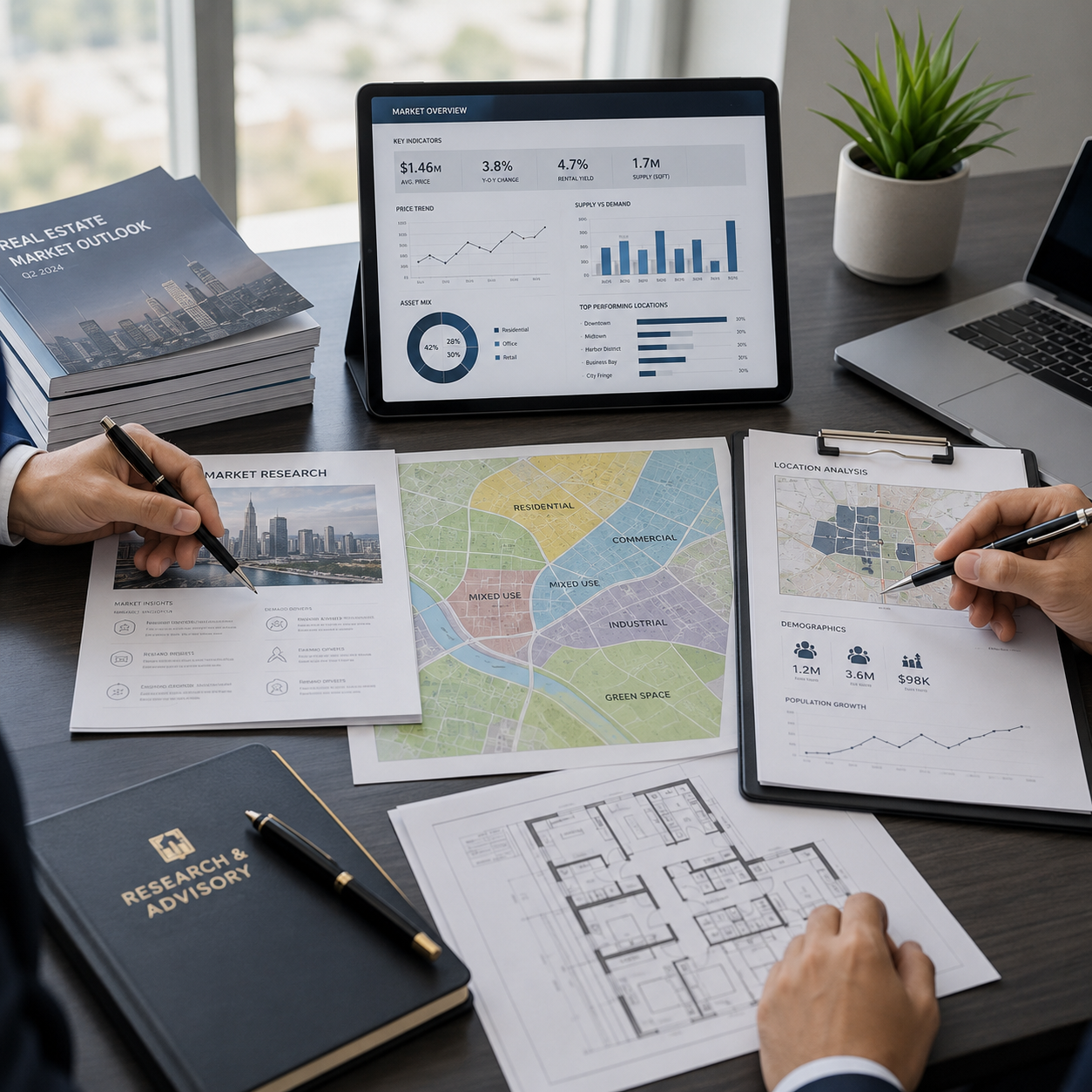





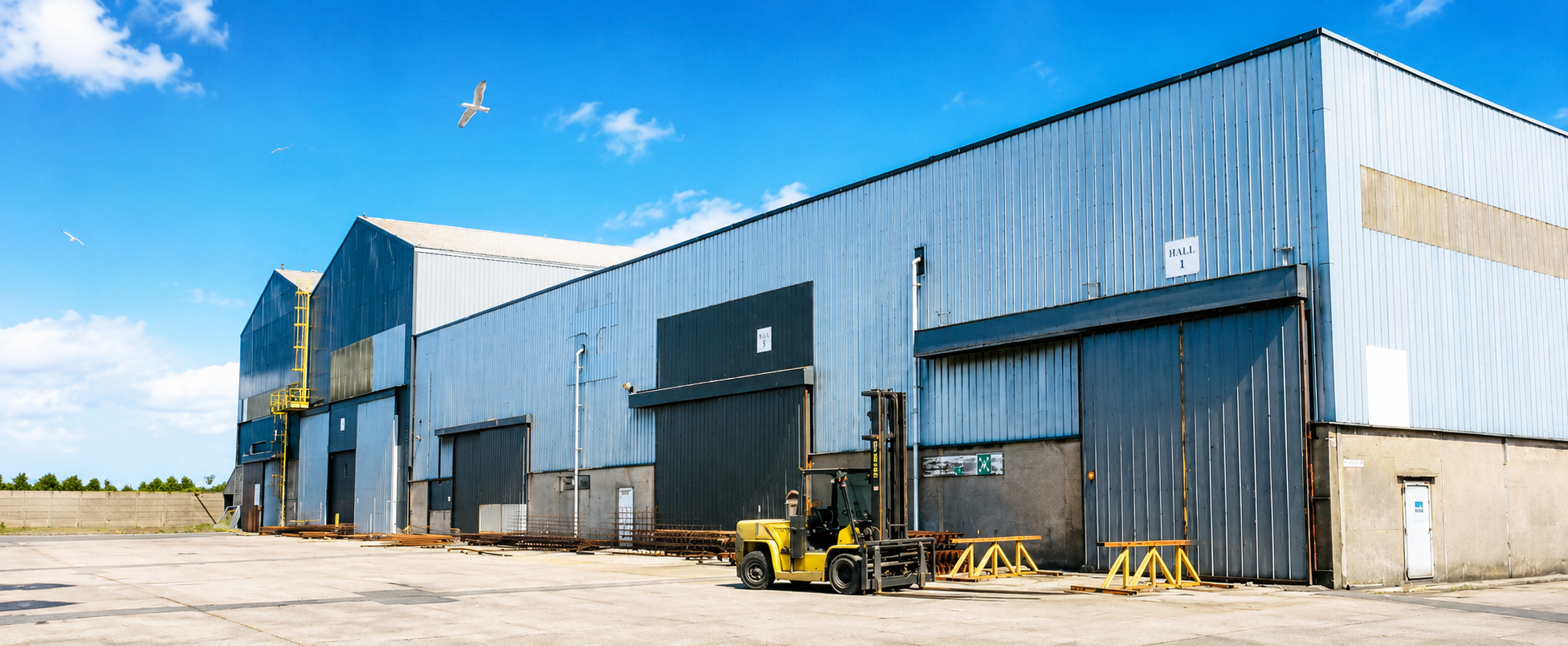
Finding the right warehouse for rent or sale in Thailand is not only about size and monthly rent. A warehouse that looks affordable can become expensive if it has weak power supply, difficult truck access, unsuitable zoning, inadequate floor loading, limited loading space, or lease terms that do not support the actual operation.
This guide explains the key checks businesses should make before renting or buying a warehouse, factory, logistics facility, storage building, cold storage property, distribution center, or industrial property in Thailand.
Important: Hero Realtor is a real estate agency, not a law firm, engineering consultant, tax adviser, factory-license consultant, or government authority. Before signing a lease, paying a deposit, buying land or a warehouse, installing machinery, or starting operations, confirm zoning, permits, licensing, tax, insurance, engineering, and environmental requirements with qualified professionals and the relevant Thai authority.
Should You Rent or Buy a Warehouse in Thailand?
Renting is usually better for businesses that need flexibility, faster setup, lower upfront capital, or the ability to relocate when volumes change. It is often suitable for e-commerce sellers, logistics operators, import-export businesses, growing manufacturers, temporary storage users, and companies testing a new Thai location.
Buying can make sense for owner-occupiers with long-term plans, highly specific facility requirements, heavy machinery, custom fit-out needs, or strong reasons to control the land and building. However, buying requires deeper due diligence on title, zoning, building permits, tax, environmental liabilities, access rights, and foreign ownership restrictions.
Foreign investors should not assume they can directly own land in Thailand. BOI-promoted companies may have land ownership privileges for approved promoted activities under specific conditions, but this must be confirmed before purchase with the Board of Investment and legal counsel through the official BOI land privilege guidance.
Define Your Warehouse Use Before Shortlisting
The right warehouse depends on the operation. A dry storage warehouse is very different from a cold room, food-processing facility, hazardous goods warehouse, bonded warehouse, e-commerce fulfillment center, showroom warehouse, or light-manufacturing site.
Before viewing properties, define:
- Storage type: dry goods, cold storage, food, pharmaceuticals, chemicals, machinery, vehicles, or high-value stock
- Business use: storage, fulfillment, distribution, repacking, assembly, manufacturing, showroom, office, or service center
- Daily vehicle movements, container truck access, trailer parking, and loading frequency
- Required power supply, water, drainage, internet, backup power, and ventilation
- Racking height, floor loading, clear height, forklift route, and storage density
- Staff count, office area, parking, visitor access, and welfare areas
- Licenses, inspections, insurance, customs status, and environmental requirements
1. Check Zoning, Building Use, and Permitted Activity
The first check is whether the land and building can legally support your intended use. A property may be advertised as a warehouse but still be unsuitable for manufacturing, food handling, chemical storage, cold storage, high-traffic logistics, hazardous goods, or factory operations.
Check land-use rules through official town-planning channels such as the Department of Public Works and Town & Country Planning. For Bangkok properties, also check district-level requirements, building-control matters, construction or modification permits, and local public-works procedures through the relevant district office or Bangkok Metropolitan Administration public service channels.
Warehouse or factory?
If the property will be used for manufacturing, processing, packing, machinery operation, industrial waste generation, or regulated production, it may fall under factory regulation. The Department of Industrial Works provides official factory-law, factory-type, licensing, waste, pollution, and safety information through its factory law resources and industrial factory e-service system.
Do not rely only on the landlord’s statement that “warehouse use is allowed.” Ask whether your exact business activity is permitted, whether the building has previous factory-license history, and whether any license, notification, inspection, environmental report, or local permit is required.
2. Confirm Electrical Power, Water, Drainage, and Operating Costs
Power supply is one of the most common problems in warehouse and factory rentals. Check whether the building has single-phase or three-phase electricity, transformer capacity, meter type, wiring condition, power-expansion options, backup power, and whether the electricity bill is paid directly to MEA or PEA or resold through the landlord.
For cold storage, food processing, air-conditioned storage, e-commerce automation, forklifts, machinery, compressors, pumps, or production lines, ask an engineer to estimate the real load before signing. Upgrading power can be expensive and may require landlord consent, utility approval, and time.
Also check water pressure, wastewater capacity, floor drains, oil traps, rain drainage, flood risk, roof leakage, internet providers, fire water supply, and utility billing. A low headline rent can become expensive if utilities are weak or heavily marked up.
3. Measure Clear Height, Usable Area, and Storage Efficiency
Warehouse size should be measured by usable operational area, not only total land or building area. Clear height affects racking, pallet positions, forklift use, ventilation, heat, lighting, and storage density.
When comparing warehouses, ask for:
- Usable internal floor area
- Clear height under beams, lights, sprinklers, and ventilation ducts
- Column spacing and rack-layout restrictions
- Office, mezzanine, toilet, staff, and utility areas separated from the storage area
- Expansion area or the ability to lease adjacent units
If the operation depends on racking, ask a racking specialist or engineer to confirm layout, aisle width, turning space, sprinkler clearance, emergency exits, and safe storage height.
4. Review Floor Loading and Building Condition
Floor-loading capacity is critical for pallet racking, heavy products, forklifts, machinery, paper, metal, liquid storage, automotive parts, and dense inventory. Do not rely only on marketing claims. Ask for structural drawings, floor-loading specifications, slab thickness, reinforcement details, and engineering confirmation where available.
Inspect the building carefully for cracks, settlement, roof condition, leaks, heat, insulation, ventilation, wall condition, drainage, pest entry points, and previous flood damage. For older buildings, a lower rent may be offset by higher repair, insurance, and fit-out costs.
If you are buying, commission a technical inspection before transfer. If you are renting, the lease should clearly state who pays for roof repairs, structural repairs, drainage repairs, electrical upgrades, floor repairs, and reinstatement at the end of the lease.
5. Check Loading Bays, Dock Design, and Yard Space
Loading efficiency can make or break a warehouse. A building may have enough square meters but still be operationally weak if the dock, yard, or access road cannot handle your vehicle flow.
Check whether the site has:
- Raised loading docks, dock levelers, ramps, or on-grade access
- Roller shutters sized for your vehicles and forklift movement
- Enough loading bays for peak-hour dispatch and receiving
- Safe pedestrian routes separated from loading areas
- Weather protection for loading and unloading
- Forklift charging or fuel-storage areas where needed
- Clear yard circulation for reversing, staging, and container handling
For distribution businesses, visit during peak operating hours if possible. A warehouse that looks quiet during a weekend viewing may be difficult during weekday truck movements.
6. Test Truck Access, Location, and Workforce Practicality
Location should match your transport model. A city warehouse may be ideal for last-mile delivery but poor for 40-foot containers. A large industrial site may be efficient for regional distribution but inconvenient for staff or urban customers.
When comparing locations, test:
- Access for 6-wheel, 10-wheel, 18-wheel, and container trucks
- Turning radius, road width, gate width, height restrictions, bridge limits, and local traffic controls
- Distance to customers, suppliers, expressways, airports, ports, and industrial clusters
- Staff commute, public transport, shuttle options, dormitories, and nearby food or services
- Flood history, road congestion, and neighborhood complaints
Common warehouse locations to compare
- Bangkok and inner distribution areas: useful for urban delivery, showrooms, service centers, and fast access to customers, but land and yard space may be limited.
- Lat Krabang, Bang Na, Bang Phli, and Samut Prakan: often considered for airport-side logistics, eastern Bangkok distribution, and access toward Chonburi and Rayong.
- Chonburi and Rayong: relevant for manufacturers and logistics users that need access to the Eastern Seaboard, industrial estates, and Laem Chabang Port.
- Pathum Thani, Ayutthaya, and Wang Noi: useful for north Bangkok, central Thailand, and regional distribution routes.
- Samut Sakhon and Nakhon Pathom: often considered for western Bangkok, food, manufacturing, and distribution toward the south and west.
Industrial estates can offer clearer industrial infrastructure and management support. The Industrial Estate Authority of Thailand provides official information on industrial estates and services, including one-stop service support for business operations within industrial-estate contexts.
7. Review Fire Safety, Security, Insurance, and Regulated Goods
Fire safety and security should never be treated as optional. Check fire exits, extinguishers, alarms, fire-hose cabinets, sprinklers where required, fire pumps, fire water, emergency lighting, evacuation routes, smoke control, and fire-vehicle access.
For factory or industrial operations, review the Department of Industrial Works’ official factory safety resources. If the operation involves chemicals, solvents, gas, controlled substances, dangerous goods, batteries, flammables, or special storage, also review the DIW hazardous substances information.
Security should match the value and risk of the inventory. Consider CCTV, guards, access control, perimeter fencing, visitor logs, separated high-value storage, lighting, alarm systems, truck-gate control, and insurance requirements.
Bonded warehouse or Free Zone use
If your business needs customs privileges, import-duty suspension, bonded storage, or Free Zone operations, an ordinary warehouse lease is not enough. You must confirm whether the site is already approved or can qualify under Thai Customs rules. Review official Thai Customs bonded warehouse information and Thai Customs Free Zone information before committing.
8. Check Lease Terms, Purchase Costs, Taxes, and Exit Rights
The commercial terms can be as important as the warehouse specifications. A good building with a weak lease can still create major problems.
For warehouse rentals
Check rent, security deposit, advance rent, VAT, withholding-tax treatment, utility billing, maintenance responsibility, fit-out rights, signage, sublease rights, assignment rights, operating hours, early termination, renewal, reinstatement, access for inspections, and landlord consent for permits.
If the lease term is longer than three years, registration should be considered. The Department of Lands states that leases over three years must be made in writing and registered with the competent official to be enforceable beyond three years, with lease-registration fees and stamp duty calculated according to official rules. Review the Department of Lands lease registration guidance before signing a long lease.
For warehouse purchases
Check title deed, land area, access rights, easements, mortgages, encumbrances, building permit, factory-license history, land and building tax, environmental history, flood history, tenant status, utilities, and transfer costs. The Department of Lands provides official fee, tax, and duty guidance, and the Treasury Department valuation system can help check official appraised values.
For large industrial projects, regulated manufacturing, waste, pollution, or major changes of use, also confirm whether EIA, EHIA, public hearing, or environmental reporting is required through official channels such as Smart EIA Plus.
Documents to Request Before Making an Offer
- Land title deed and building ownership documents
- Building permit, approved building use, and as-built plans if available
- Factory license, factory registration, notification receipt, or previous industrial-use history if applicable
- Town-planning or land-use confirmation
- Lease draft or sale and purchase agreement draft
- Latest electricity and water bills
- Transformer capacity, meter details, and utility-upgrade options
- Floor loading, clear height, column spacing, and structural drawings
- Fire-safety system details, maintenance records, and insurance information
- Drainage, wastewater, waste-disposal, and hazardous-goods information if relevant
- Loading bay, yard, truck-circulation, and parking plan
- Flood history, neighboring uses, and complaint history
- Land and building tax payment evidence for purchased property
- Written landlord consent for your exact intended use and fit-out works
Red Flags When Renting or Buying a Warehouse
- The landlord will not put your exact warehouse, factory, storage, or logistics use in writing.
- The building was approved for another purpose and no one can explain whether your use is permitted.
- Power supply is insufficient and upgrade responsibility is unclear.
- The floor-loading specification is missing or only verbally stated.
- Truck access looks possible on a map but fails during actual turning or reversing tests.
- The roof leaks, floor is cracked, drainage is poor, or the site has flood history.
- Fire safety, hazardous-goods handling, or insurance requirements are ignored.
- The property is close to residential communities that may complain about noise, odor, dust, traffic, or night operations.
- The seller cannot provide title, building permit, tax, or industrial-use documents.
- The lease does not allow fit-out, permit applications, signage, machinery installation, sublease, or early exit.
Frequently Asked Questions
What should I check before renting a warehouse in Thailand?
Check zoning, permitted use, lease terms, power, water, drainage, clear height, floor loading, loading bays, truck access, parking, fire safety, security, insurance, and whether your business requires any factory, customs, environmental, food, hazardous-goods, or local permits.
Is warehouse rental better than buying in Thailand?
Renting is usually better for flexibility, lower upfront cost, and fast setup. Buying may be better for long-term owner-occupiers that need full control, custom improvements, or a permanent industrial base. Buyers must complete stronger title, building, zoning, tax, and legal due diligence.
Do I need a factory license for a warehouse?
A simple storage warehouse may not need a factory license, but manufacturing, processing, machinery, packing, waste, chemicals, or regulated production may trigger factory or other licensing requirements. Confirm with the Department of Industrial Works, local authority, and professional advisers before signing.
Can foreigners buy warehouses or industrial land in Thailand?
Foreigners and foreign companies should not assume they can directly own land in Thailand. Some promoted businesses may qualify for BOI land-ownership privileges for approved activities, but this requires separate approval and legal review. Leasing is often more practical for foreign businesses.
Which warehouse locations are popular near Bangkok?
Common areas include Bang Na, Bang Phli, Samut Prakan, Lat Krabang, Pathum Thani, Ayutthaya, Wang Noi, Chonburi, Rayong, Samut Sakhon, and Nakhon Pathom. The best location depends on customers, suppliers, port or airport access, staff, truck route, and operating model.
What warehouse specifications matter most for logistics businesses?
The most important specifications are location, clear height, floor loading, dock design, yard size, truck turning radius, power supply, security, fire safety, and access to major roads, ports, airports, and customer zones.
Find the Right Warehouse or Factory in Thailand
The right warehouse supports your real operation, not just your budget. Before renting or buying, confirm legal use, utilities, storage design, loading efficiency, truck access, fire safety, lease rights, tax exposure, and future expansion options.
Hero Realtor can help businesses compare warehouses, factories, logistics properties, and industrial land in Bangkok and key industrial provinces, including options for storage, distribution, light manufacturing, office-warehouse use, and long-term industrial property planning.
To discuss warehouse rentals or warehouse purchase options in Thailand, please contact Hero Realtor through our contact page.