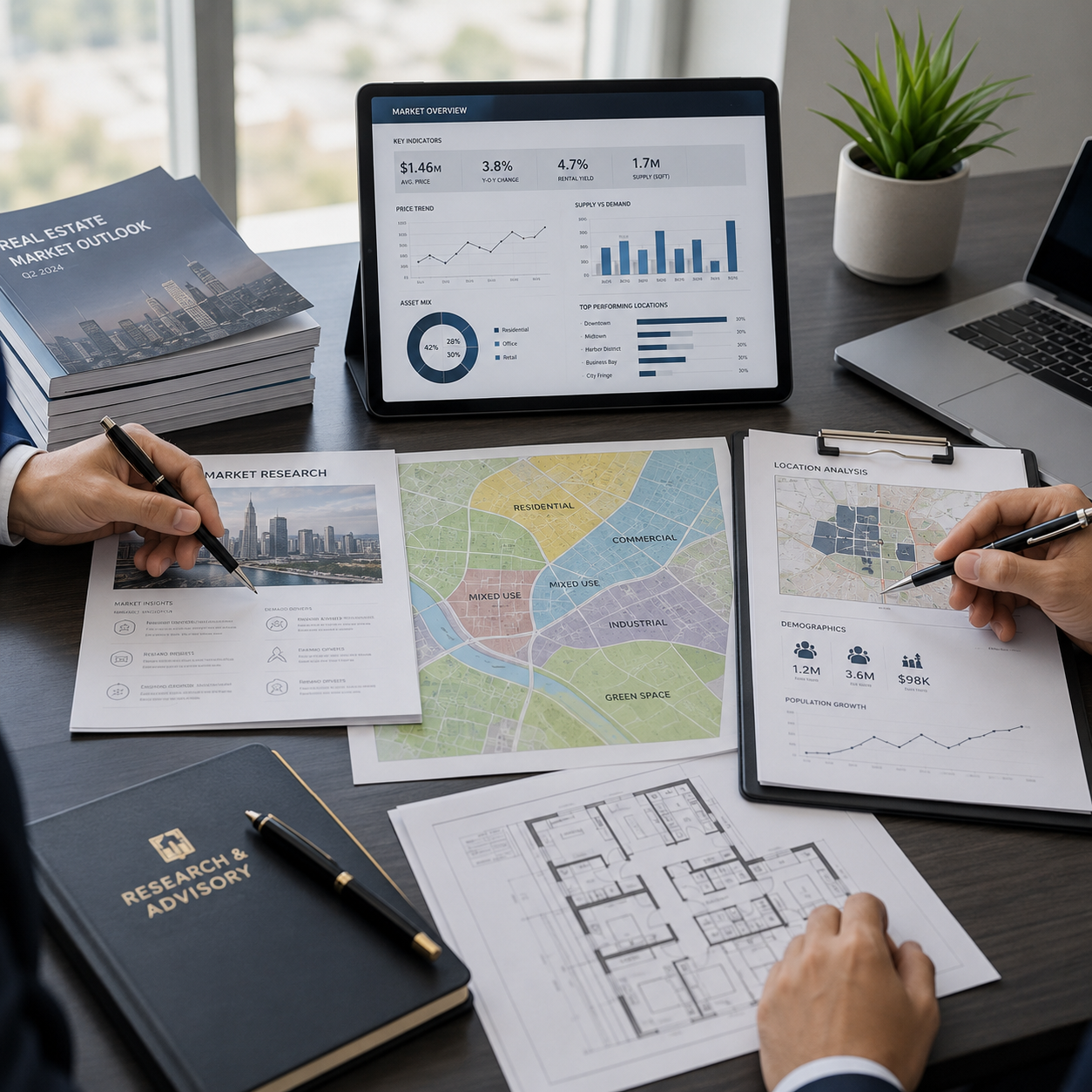





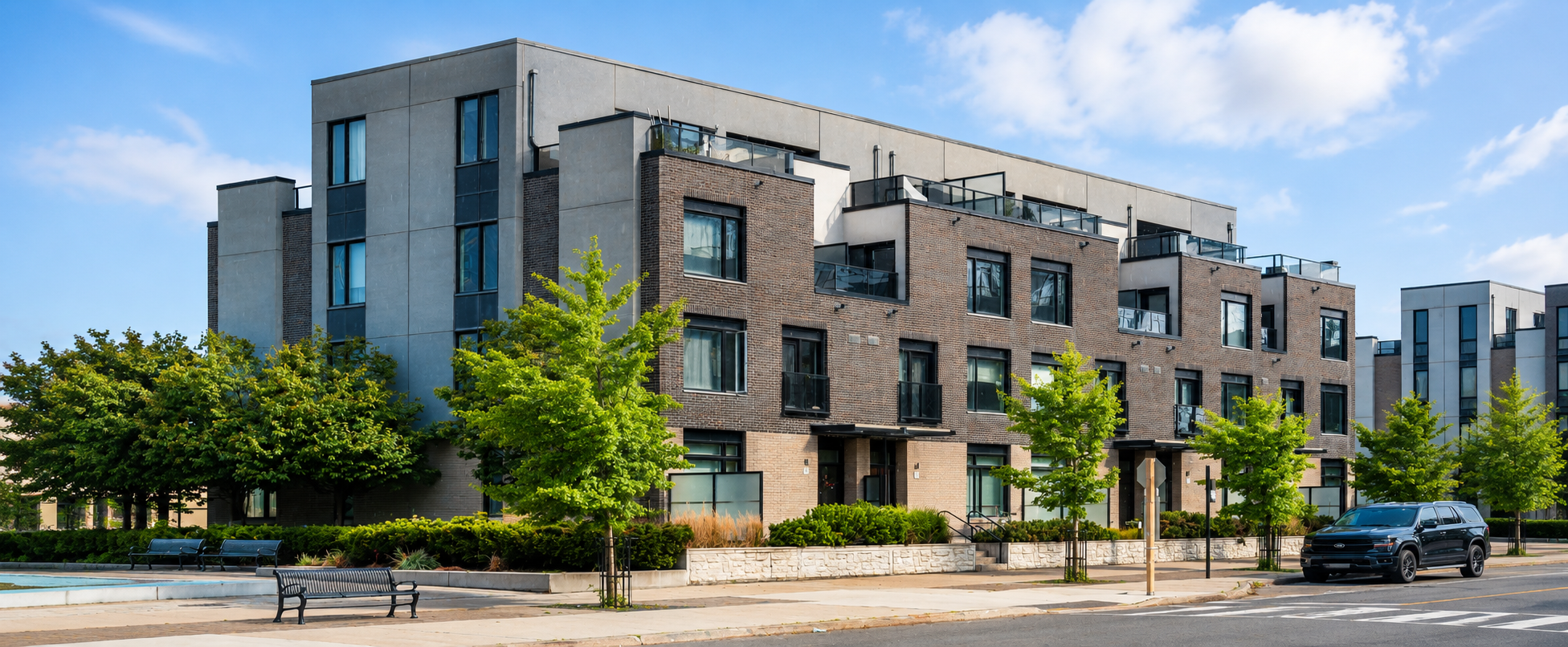
Choosing between a Bangkok condo and a townhouse is not simply about which property type is better. The right choice depends on your ownership structure, budget, lifestyle, commute, maintenance expectations, and long-term plan.
A condo may be the more practical option if you want convenience, security, shared facilities, and easier access to BTS or MRT stations. A townhouse may be better if you need more space, private parking, pet-friendly living, outdoor areas, or a family-friendly layout.
For foreign buyers, the legal structure is especially important. Condominiums are often the most straightforward freehold option when the building still has available foreign ownership quota. Townhouses usually include land, which makes ownership more complex for foreign individuals in Thailand.
Quick Answer: Condo or Townhouse?
- Choose a condo if you want easier foreign freehold ownership, lower maintenance responsibility, facilities, security, and a location near Bangkok mass transit.
- Choose a townhouse if you want more usable space, private parking, privacy, outdoor areas, or a layout that works better for children, pets, or a home office.
- Compare total cost, not only the purchase price. Include monthly fees, repairs, renovation, commute costs, financing, taxes, and resale potential.
What Is a Condo in Bangkok?
A condominium is a registered building where ownership is divided into private units and shared common property. The Department of Lands describes condominium buildings as properties where ownership can be separated into private property and common ownership.
Condo owners own their individual unit and share responsibility for common areas such as lobbies, lifts, swimming pools, gyms, gardens, parking areas, and building systems. These are managed by the condominium juristic person and funded through common area maintenance fees and, in many buildings, sinking fund contributions for larger repairs.
For foreign buyers, the key legal advantage is that a foreign individual may be able to buy a Bangkok condo freehold if the building’s foreign quota is still available. The Department of Lands foreign condominium ownership guidance explains that foreign ownership in a condominium must not exceed 49% of the total area of all units in that condominium.
Foreign buyers must also prepare required documents, such as evidence of bringing foreign currency into Thailand or other qualifying documentation.
Before paying a deposit, foreign buyers should request written confirmation of foreign quota availability from the juristic person or developer.
What Is a Townhouse in Bangkok?
A townhouse is usually a low-rise, multi-storey home attached to other houses in a row. In Bangkok, townhouses commonly have two to four floors, private entrances, parking in front of the house, and more usable indoor space than many condos at a similar price point outside the most central areas.
The important difference is that a townhouse usually includes land. Thailand’s official government portal explains that foreign land ownership is restricted and only possible under limited legal conditions, such as statutory inheritance or specific investment permission from the Minister of Interior under prescribed rules. Buyers should review the official Thailand.go.th guidance on foreign property ownership.
This means a townhouse is usually more straightforward for Thai buyers than for foreign buyers seeking freehold ownership. Foreign residents who prefer townhouse or house living often rent, consider a properly registered lease, or obtain independent legal advice before entering any long-term structure.
Bangkok Condos vs Townhouses: Key Differences
| Factor | Bangkok Condo | Bangkok Townhouse |
|---|---|---|
| Ownership for foreigners | Often more straightforward if the unit is within the condominium foreign quota. | More complicated because the property normally includes land. |
| Space | Usually smaller but efficient, with shared facilities. | Usually more internal space, multiple floors, and more privacy. |
| Location | Common near BTS, MRT, business districts, malls, hospitals, universities, and lifestyle areas. | Often found in residential sois or outer Bangkok areas where larger homes are more affordable. |
| Monthly costs | Common area fees, sinking fund, parking fees in some buildings, and unit repairs. | Possible village fees plus responsibility for roof, facade, drainage, pest control, and house systems. |
| Maintenance | The juristic person handles common areas and shared building systems. | The owner or tenant is usually responsible for most maintenance inside and outside the house. |
| Facilities and security | Often includes pool, gym, lobby, lifts, CCTV, and security guards. | Varies by project. Some gated compounds have security, while older townhouses may have few shared facilities. |
| Rental and resale market | Broad demand in transit-connected and business areas, especially from singles, couples, investors, and expats. | More niche demand from families, pet owners, home-office users, and tenants needing larger living space. |
Location and Commute Matter More Than Property Type
In Bangkok, location can be more important than whether you buy a condo or townhouse. A smaller condo near a BTS or MRT station may be more practical than a larger townhouse with a difficult commute. On the other hand, a townhouse in a quiet residential area may be a better daily living choice for a family that needs space, parking, and access to schools.
Condos are common in high-demand urban areas such as Sukhumvit, Silom, Sathon, Rama 9, Ari, Phrom Phong, Thong Lo, Ekkamai, On Nut, and areas around major transit stations. Townhouses are available in central sois too, but larger or better-value options are often found farther from the core CBD, including Bang Na, Prawet, Lat Phrao, Ratchada-Ram Inthra, Rama 2, Pinklao, Bang Khae, and parts of Thon Buri.
Bangkok’s transport network continues to change. The Mass Rapid Transit Authority of Thailand lists major ongoing Bangkok rail projects including sections of the MRT Orange Line and MRT Purple Line. Future transit can improve an area’s convenience, but buyers should not rely only on future station plans. Check the exact station location, walking route, construction impact, opening timeline, and current daily commute before deciding.
Costs to Compare Beyond the Purchase Price
A condo may look cheaper because the purchase price is lower, but you still need to budget for common area fees, sinking fund contributions, insurance, parking terms, appliance replacement, and renovation inside the unit. Before buying, review the juristic person’s financial statements, recent annual general meeting notes, building rules, and any planned major repairs.
A townhouse may give you more space for the money, but maintenance can be less predictable. You may need to pay for roof repairs, waterproofing, exterior repainting, termites, drainage, gate repairs, water pumps, electrical systems, and renovations. If the townhouse is in a managed compound, check the village fee, security quality, shared road maintenance, and rules on extensions or renovations.
If you plan to use a mortgage, confirm the latest lending criteria directly with your bank. The Bank of Thailand announced a temporary extension of relaxed loan-to-value rules for certain housing loans from 1 July 2026 to 30 June 2027. However, mortgage approval still depends on each bank’s credit assessment, borrower profile, income, debt level, and property type.
Due Diligence Checklist Before Buying
Before Buying a Bangkok Condo
- Confirm foreign quota availability in writing if you are a foreign buyer.
- Check whether foreign currency transfer evidence or other required documents are ready before transfer.
- Review the title deed, unit size, parking rights, mortgage registration, and any encumbrances.
- Check juristic person accounts, common area fee arrears, sinking fund balance, AGM minutes, and pending building repairs.
- Inspect lifts, fire safety systems, water pressure, drainage, noise, sunlight, and building condition.
- Understand building rules on pets, short-term rental, renovation, parking, and use of common facilities.
Before Buying or Renting a Bangkok Townhouse
- Review the land title, access road, boundaries, servitudes, mortgages, and any legal restrictions.
- Inspect the roof, ceiling, walls, plumbing, electrical systems, drainage, water pumps, and signs of termites.
- Check flood history and street drainage. Bangkok has official flood-level and drainage data resources, including the BMA flood-level map and the Bangkok Department of Drainage and Sewerage data catalog.
- Confirm village fees, security, garbage collection, parking rules, renovation rules, and shared road maintenance.
- For foreign residents, obtain legal advice before using any lease, company, spouse-related, or long-term occupation structure.
Which Is Better for Investment?
For many investors, a well-located condo is easier to rent and resell because the buyer and tenant pool is broader. Condos near mass transit, business districts, hospitals, universities, and lifestyle areas can attract working professionals, expats, and smaller households. They are also easier to compare because similar units in the same building provide useful pricing benchmarks.
Townhouses can also perform well, but the target market is more specific. They may attract families, pet owners, tenants who need a home office, or people who want private parking and more space. The trade-off is that repairs and maintenance are less predictable, and resale may depend heavily on land size, road width, parking, building condition, and neighborhood quality.
Final Recommendation
There is no single winner between Bangkok condos and townhouses. A condo is usually the more practical choice for foreign freehold buyers, busy professionals, investors who want liquidity, and anyone who values convenience, security, shared facilities, and simpler maintenance. A townhouse is usually better for people who need more space, private parking, pets, a home office, or a family-oriented layout.
Before deciding, compare the total cost of ownership, not only the asking price. Check legal ownership, financing, commute time, building condition, maintenance exposure, flood risk, and resale demand. The best Bangkok property is the one that fits both your lifestyle and your legal and financial situation.
To discuss suitable Bangkok condos or townhouses for your budget and lifestyle, please contact Hero Realtor through our contact page.