




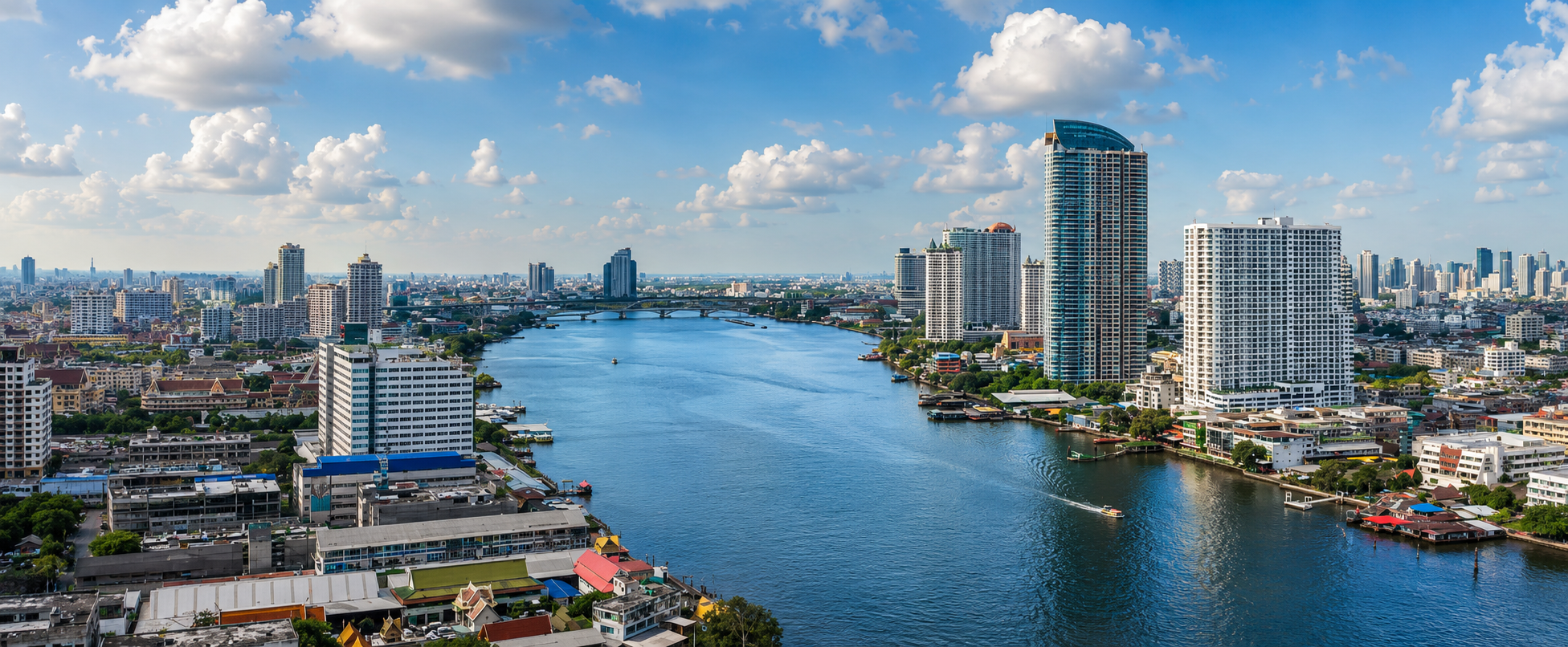
Bangkok offers a wide range of condominiums for both renters and buyers, from affordable studios near BTS and MRT stations to luxury residences in Sukhumvit, Sathorn, Silom, Riverside, and Phrom Phong. But deciding whether to rent or buy a Bangkok condo depends on more than your monthly budget.
Renting gives flexibility, lower upfront cost, and less responsibility for repairs. Buying gives long-term control, potential capital appreciation, and the ability to build equity, but it also involves transfer costs, ownership rules, maintenance fees, resale risk, and a larger financial commitment.
This guide compares renting and buying a condo in Bangkok so you can decide which option fits your lifestyle, finances, visa situation, and long-term plans.
Quick Answer: Should You Rent or Buy?
Renting may be better if you are new to Bangkok, unsure how long you will stay, still comparing neighborhoods, working on a short-term contract, or want to avoid maintenance and resale risk.
Buying may be better if you plan to stay in Bangkok for several years, have stable finances, understand the building and location, want long-term ownership, or are buying a condo as part of an investment or retirement plan.
Renting vs Buying at a Glance
| Factor | Renting a Condo | Buying a Condo |
|---|---|---|
| Upfront cost | Usually lower. Tenants commonly pay a security deposit and first month’s rent. | Higher. Buyers need purchase funds, transfer costs, due diligence, and possible renovation or furnishing costs. |
| Flexibility | High. Easier to move when your job, school, visa, or lifestyle changes. | Lower. Selling can take time, especially in slower market conditions. |
| Monthly cost | Predictable rent, plus utilities and services. | Mortgage payments if financed, common fees, sinking fund, repairs, insurance, and taxes. |
| Maintenance | Major repairs are usually the landlord’s responsibility, subject to the lease. | The owner is responsible for repairs inside the unit and ongoing ownership costs. |
| Control | Limited. Renovation, pets, subletting, and decoration depend on lease and building rules. | Greater control, subject to condominium rules and juristic-person approval. |
| Investment potential | No capital gain, but lower financial risk. | Potential capital gain and rental income, but also vacancy, resale, and market risk. |
Why Renting a Condo in Bangkok May Be Better
1. You Are New to Bangkok
Bangkok neighborhoods can feel very different in daily life. Asok, Phrom Phong, Thong Lo, On Nut, Ari, Sathorn, Rama 9, Bang Na, and Riverside all offer different commute patterns, lifestyles, prices, and building styles.
Renting first lets you test the city before committing to ownership. You can learn which BTS or MRT line works best, how traffic affects your routine, whether you prefer central Sukhumvit or a quieter area, and what building facilities you actually use.
2. You Want Flexibility
Renting is useful if your work contract, visa, family plan, or lifestyle may change. If you need to move closer to a school, office, hospital, or airport, ending a lease is usually easier than selling a condo.
3. You Want Lower Upfront Cost
Renters usually need less cash upfront than buyers. Instead of paying a purchase price, transfer costs, renovation costs, and furniture expenses, tenants usually pay a deposit, first rent, and moving costs.
4. You Do Not Want Ownership Responsibilities
When you rent, major repairs are usually handled by the landlord, depending on the lease. This can be attractive if you do not want to deal with appliance replacement, plumbing issues, air-conditioner repairs, juristic-office disputes, or resale preparation.
5. You Are Waiting for the Right Buying Opportunity
Bangkok’s condo market changes by location and segment. Renting can give you time to watch resale prices, compare buildings, check foreign quota availability, and understand which projects have strong management before buying.
Why Buying a Condo in Bangkok May Be Better
1. You Plan to Stay Long Term
Buying may make sense if you plan to live in Bangkok for several years and want long-term stability. Owners do not need to worry about rent increases, landlord changes, lease renewals, or being asked to move out at the end of a lease.
2. You Want Control Over Your Home
Condo owners have more control over furniture, layout, design, and long-term use. You can renovate, upgrade appliances, improve storage, or design the space around your lifestyle, subject to building rules and approvals.
3. You Want to Build Equity
Rent is a cost. Buying converts part of your housing budget into an asset, especially if you buy without overpaying, choose a strong location, and hold the property long enough to absorb transaction costs.
4. You Want Rental Income Potential
If you move later, the condo may be rented out, subject to building rules and local regulations. Strong rental locations in Bangkok often include areas near BTS, MRT, international schools, hospitals, offices, universities, lifestyle districts, and expat communities.
5. You Are a Foreign Buyer Seeking Freehold Ownership
Foreigners can legally own condominium units in Thailand, subject to the condominium foreign ownership quota. Official Thai government guidance states that foreigners may own condominium units up to 49% of the total unit area in a condominium building, and buyers should obtain confirmation from the condominium juristic person before transfer.
Foreigners: Key Buying Rules to Know
Buying a condo in Bangkok is generally more straightforward for foreigners than buying land or houses, but there are still important rules.
- Foreign quota: Foreign ownership in a condominium building is limited to 49% of the total unit area.
- Freehold vs Thai quota: A foreigner usually wants a foreign freehold quota unit, not a Thai-quota unit held through an unsuitable structure.
- Funds transfer: Foreign buyers commonly need to bring purchase funds into Thailand in foreign currency and obtain the required bank documentation for Land Department transfer.
- Juristic confirmation: The condominium juristic person should confirm foreign quota availability before transfer.
- Due diligence: Buyers should check title, ownership status, outstanding fees, sinking fund, building management, litigation, and transfer documents before paying.
Foreign buyers should get professional advice before using company structures, nominee arrangements, or informal ownership methods. These can create legal and financial risk.
Costs of Renting a Bangkok Condo
Renting has lower upfront cost, but tenants should calculate the full monthly cost, not just rent.
- Monthly rent
- Security deposit and advance rent
- Electricity and water
- Internet and mobile phone
- Parking fees, if applicable
- Air-conditioner cleaning, if required by the lease
- Pet deposit or pet fee, if applicable
- Moving costs
- Transport costs to work, school, or regular destinations
Before signing a lease, confirm utility rates, repair responsibility, deposit return rules, early termination terms, pet rules, and whether the landlord can support TM30 if you are a foreign tenant.
Costs of Buying a Bangkok Condo
Buying involves more than the purchase price. Buyers should prepare for both transfer-day costs and ongoing ownership costs.
Common purchase and ownership costs
- Purchase price
- Transfer fee and Land Office-related taxes or fees
- Specific business tax or stamp duty where applicable
- Withholding tax where applicable
- Mortgage registration fee if financing is used
- Legal or due-diligence fees
- Common area fee
- Sinking fund
- Insurance, repairs, furniture, and renovation
- Vacancy and agent fees if renting the unit out later
Thailand’s official government information lists transfer fees and tax items for foreign property ownership, while the Revenue Department explains that income tax, specific business tax where applicable, and stamp duty where applicable are paid when rights and juristic acts are registered at the Land Office.
Financing: Can You Get a Mortgage in Thailand?
Thai buyers and qualified residents may have more financing options than non-resident foreigners. Foreign buyers often pay cash or use overseas financing, although some banks and international programs may offer financing depending on nationality, income, work status, and property type.
The Bank of Thailand has temporarily relaxed loan-to-value rules to support the property sector, with its 2026 announcement extending temporary LTV relaxation until 30 June 2027. This mainly affects mortgage lending conditions through financial institutions, but buyers still need bank approval and should not assume they will receive maximum financing.
Before deciding to buy, ask banks about:
- Maximum loan-to-value ratio
- Interest rate and fixed-rate period
- Loan term
- Income documentation
- Nationality or residency requirements
- Mortgage registration cost
- Early repayment conditions
Market Timing: Is It a Good Time to Buy?
There is no single answer because Bangkok is not one market. A discounted resale condo in a strong building near BTS may be attractive, while an overpriced unit in a weak building may not be.
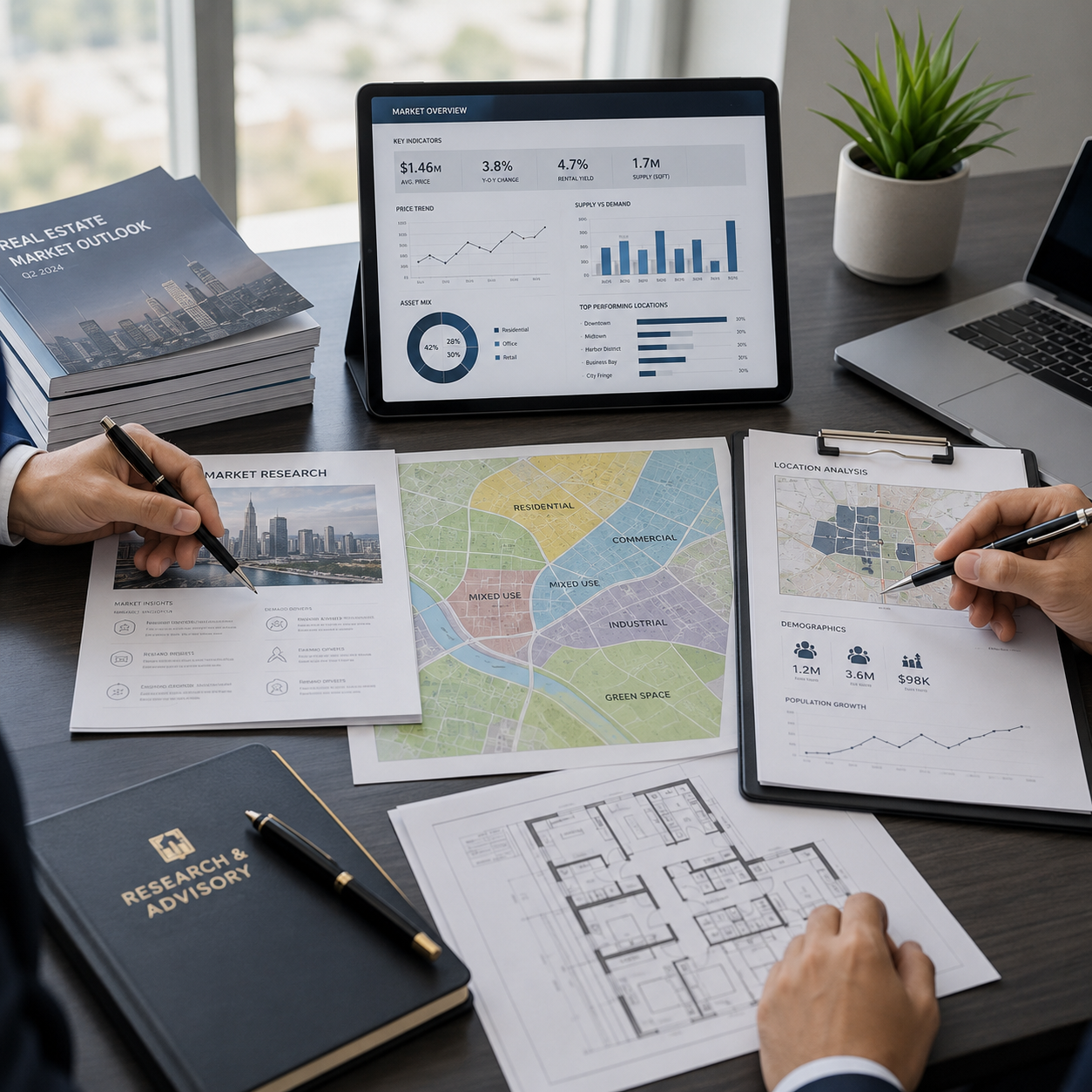
Recent market research shows a selective Bangkok condo market. JLL reported that discounted units in mid-Sukhumvit continued to attract demand in early 2026, with foreign buyer interest in some new launches. CBRE’s Bangkok Q1 2026 overview described a cautious condominium market, with buyers taking longer to make decisions, while Colliers expected developers to remain cautious and new supply to concentrate more heavily in luxury and prime locations.
For buyers, this means negotiation and due diligence matter. For renters, it means there may still be good rental choices, especially if you compare several buildings and avoid rushing.
When Renting Usually Makes More Sense
- You will stay in Bangkok for less than three years
- You are unsure about your job, visa, school, or family plans
- You do not know which neighborhood fits your lifestyle
- You want lower upfront cost
- You do not want repair or resale responsibility
- You expect to move between Bangkok and another country
- You want to test a building before buying in the same project
When Buying Usually Makes More Sense
- You plan to stay in Bangkok long term
- You have stable finances and enough cash reserves
- You understand the location and building well
- You can buy in foreign freehold quota if you are a foreigner
- You are comfortable with transfer costs and ownership responsibilities
- You want long-term control over your home
- You are buying for both lifestyle and investment reasons
Rent-Before-You-Buy Strategy
For many newcomers, the safest strategy is to rent first, then buy later. Renting for 6 to 12 months can help you understand commute patterns, building quality, neighborhood noise, flooding risk, juristic management, nearby amenities, and resale demand.
You can also rent in the same building or neighborhood before buying. This helps you test daily life and avoid buying based only on photos, show units, or short visits.
Questions to Ask Before Renting
- What is included in the rent?
- How are electricity and water charged?
- Who pays for repairs and air-conditioner cleaning?
- What are the deposit return rules?
- Is early termination allowed?
- Are pets, smoking, guests, or subletting allowed?
- Can the landlord file TM30 for foreign tenants?
- Is the building well managed?
- How long is the real commute during rush hour?
Questions to Ask Before Buying
- Is the unit freehold, leasehold, foreign quota, or Thai quota?
- Is foreign quota available and confirmed by the juristic person?
- Are there outstanding common fees or sinking fund payments?
- How well is the building managed?
- What is the common area fee and sinking fund?
- Is the unit priced fairly compared with recent resale evidence?
- What are the transfer costs and who pays them?
- Is the building attractive to future tenants or buyers?
- What happens if you need to sell quickly?
Final Thoughts
Renting and buying a condo in Bangkok can both be good decisions, but they serve different goals. Renting is usually better for flexibility, lower upfront cost, and testing the city. Buying is usually better for long-term stability, control, and potential investment value.
Before deciding, compare the total cost of renting with the full cost of ownership, including transfer fees, taxes, common fees, repairs, financing, vacancy risk, and resale timing. If you are new to Bangkok, renting first can be the smartest way to learn the market before committing to a purchase.