





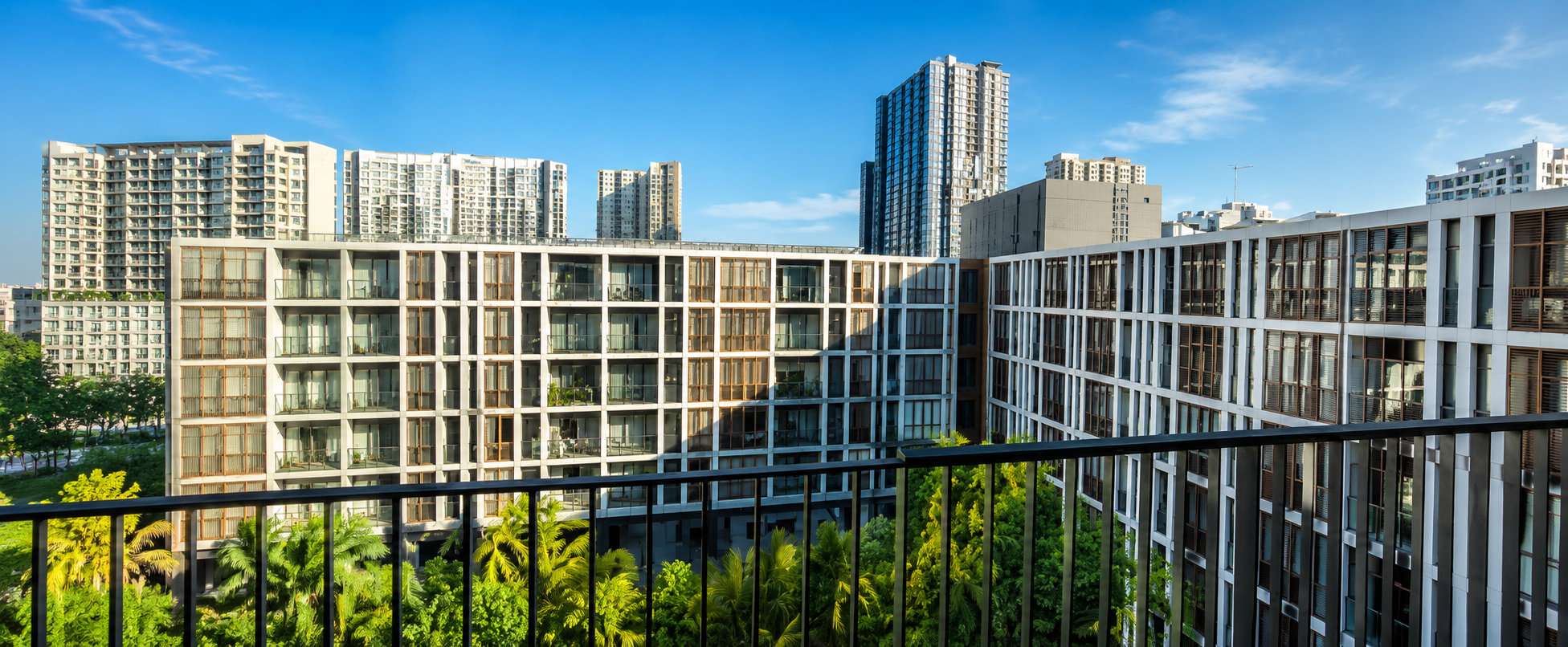
Landlord’s Guide to Renting Out a Condo in Bangkok
Renting out a condo in Bangkok can provide reliable rental income when the property is prepared, priced and managed properly. Successful landlords look beyond simply advertising a unit. They understand their building rules, position the property for the right tenant profile, screen applicants carefully, prepare clear documentation and maintain the condo throughout the tenancy.
This guide explains the essential steps Bangkok condo owners should follow when preparing a property for rent, from rental valuation and tenant screening to lease documentation, handover and ongoing management.
1. Define Your Rental Strategy and Target Tenant
Before marketing a Bangkok condo for rent, determine what type of tenant is most suitable for the property. The building, location, room size, furnishings and surrounding amenities can all influence which tenants are most likely to be interested.
Questions to consider before listing
- Will the condo target professionals, expatriates, families, students or corporate tenants?
- Will the property be offered fully furnished, partly furnished or unfurnished?
- Are pets permitted by the condominium?
- Is parking available?
- Who will handle repairs, inspections and tenant communication?
- What features make the condo competitive within its location and price range?
A clear rental strategy makes it easier to prepare the property, create an effective listing and communicate with prospective tenants.
2. Check Condominium Rules Before Advertising
Every condominium has its own juristic person, building regulations and administrative procedures. Landlords should confirm these requirements before advertising or negotiating with a tenant.
Important building information to confirm
- Tenant registration procedures
- Required identification and supporting documents
- Move-in and move-out procedures
- Access card and key requirements
- Parking arrangements
- Pet restrictions
- Smoking regulations
- Use of common facilities
- Furniture delivery and contractor access
Confirming these details early reduces the risk of misunderstandings between the landlord, tenant and condominium management.
3. Set a Realistic Bangkok Condo Rental Price
Rental pricing should be based on comparable properties rather than the landlord’s purchase price, mortgage payment or desired return. Prospective tenants normally compare several properties within the same building or surrounding area before making a decision.
Compare similar condos based on
- Building and location
- Distance to BTS, MRT and major employment areas
- Room size and layout
- Floor level and view
- Furniture and appliance quality
- Property condition and renovation quality
- Building facilities and management
- Parking availability
- Nearby schools, hospitals, shopping centres and lifestyle amenities
Landlords can also review broader residential property information from the Bank of Thailand Residential Property Price Index. However, the rental price of an individual condo should primarily reflect comparable properties, location, condition and tenant demand.
4. Prepare the Condo Before Marketing
Property condition strongly influences a tenant’s first impression. A clean, functional and well-presented condo is easier to photograph, market and show to prospective tenants.
Before listing the condo
- Deep-clean the rooms, kitchen, bathrooms and balcony.
- Service air-conditioning units where necessary.
- Repair leaks, damaged fixtures, lights and appliances.
- Remove unnecessary personal belongings and clutter.
- Check water pressure, drainage and electrical outlets.
- Test appliances and internet connection points.
- Prepare keys, access cards and parking information.
- Create clear photographs showing the actual condition of the property.
A properly prepared property also gives tenants confidence that the landlord takes maintenance and property management seriously.
5. Create an Accurate and Useful Condo Rental Listing
A strong Bangkok condo rental listing should provide useful information rather than relying on vague phrases such as “great location” or “luxury condo.” Prospective tenants should be able to understand the property, location and important features before arranging a viewing.
A useful rental listing should include
- Condominium name and location
- Unit size and layout
- Number of bedrooms and bathrooms
- Furniture and major appliances
- Parking information
- Building facilities
- Nearby BTS or MRT stations
- Nearby offices, schools, hospitals and shopping centres where relevant
- Important building restrictions or policies
- Clear and recent property photographs
Different Bangkok locations attract different tenant profiles. Areas such as Sukhumvit, Sathorn, Silom, Ari, Rama 9, Bang Na and the Riverside have different transport connections, workplaces, schools and lifestyle amenities. Rental marketing should highlight the features that are genuinely relevant to the property’s location.
Owners researching competing properties can also explore Bangkok condos listed by Hero Realtor.
6. Screen Prospective Tenants Carefully
Tenant screening helps landlords protect both their property and rental income. The objective is to confirm the identity of the applicant, understand who will occupy the property and establish that the proposed tenancy is suitable for the condo.
Common tenant screening information includes
- Full name and contact information
- Passport or Thai identification
- Employment, business, education or relocation information where relevant
- Number of occupants
- Pet information where applicable
- Intended move-in arrangements
- Payment arrangements
- Company information for corporate leases
Landlords should collect and handle personal information responsibly and request only documentation that is relevant to the rental process.
7. Use a Clear Written Lease Agreement
A well-prepared lease agreement helps establish expectations between the landlord and tenant and reduces the risk of disputes.
Important subjects to address in a lease agreement
- Landlord and tenant information
- Property address and unit details
- Rental amount and payment method
- Security deposit and other agreed payments
- Utility responsibilities
- Repair and maintenance responsibilities
- Furniture and appliance inventory
- Condominium rules
- Smoking and pet conditions
- Subleasing restrictions
- Inspection arrangements
- Renewal and termination procedures
- Deposit deduction and return procedures
Residential rental regulations can change. Landlords should review the latest information and contract guidance published by the Office of the Consumer Protection Board and obtain professional legal advice where appropriate.
8. Prepare an Inventory and Property Handover Record
A detailed inventory and handover record helps protect both landlord and tenant by documenting the condition of the condo when possession is transferred.
A handover record should normally document
- Furniture and appliances
- Existing marks or damage
- Walls, flooring and built-in furniture
- Kitchen and bathroom fixtures
- Air-conditioning units
- Keys and access cards
- Parking equipment where applicable
- Utility meter readings
- Photographs of each room
- Signatures acknowledging the recorded condition
Maintaining clear records makes future inspections easier and helps distinguish normal wear from damage.
9. Understand TM30 Responsibilities for Foreign Tenants
Landlords renting to foreign tenants should understand Thailand’s accommodation notification requirements. The appropriate procedure depends on the circumstances of the property and occupant.
Owners should review the latest instructions through the official Immigration Bureau TM30 system and retain relevant records when required.
Proper documentation can also help foreign tenants when they need evidence of their registered accommodation for immigration-related procedures.
10. Plan for Taxes and Property Ownership Costs
Rental income should be considered together with the ongoing costs of owning and maintaining the property.
Owners should plan for expenses such as
- Applicable taxes
- Condominium common area fees
- Insurance
- Maintenance and repairs
- Appliance and furniture replacement
- Property management or agency services
- Professional legal or accounting advice where required
Rental income from property is treated as taxable income under Thailand’s Revenue Code. Owners should maintain appropriate income and expense records and review the latest guidance from the Thai Revenue Department.
Tax treatment depends on the circumstances of each owner, so professional tax advice should be obtained where necessary.
11. Decide Whether to Self-Manage or Use a Property Agent
Some Bangkok condo owners manage their properties independently, while others prefer professional assistance. The appropriate approach depends on the owner’s location, availability, language ability and experience handling tenant communication and property maintenance.
A Bangkok rental agent may assist with
- Rental valuation
- Property presentation and listing preparation
- Marketing to relevant tenant groups
- Viewing coordination
- Tenant screening support
- Lease negotiation
- Inventory and handover coordination
- Communication with the condominium juristic office
- Maintenance coordination
- Renewal and move-out support
Bangkok Condo Landlord Checklist
- Confirm condominium rental and resident rules.
- Assess the property against comparable rental units.
- Repair and clean the condo before marketing.
- Prepare accurate photographs and property information.
- Screen prospective tenants appropriately.
- Use a clear written lease agreement.
- Create a detailed inventory and handover record.
- Understand applicable TM30 responsibilities.
- Maintain rental income and expense records.
- Plan for maintenance and ownership costs.
- Arrange reliable tenant communication and property support.
Frequently Asked Questions About Renting Out a Bangkok Condo
1. How should a landlord determine the rental price of a Bangkok condo?
Compare the property with similar units in the same condominium and nearby buildings. Consider size, floor, view, condition, furniture, transport access, facilities and competing rental properties rather than relying only on the original purchase price.
2. What information should be included in a Bangkok condo rental listing?
The listing should clearly state the condo name, location, unit size, layout, furniture, appliances, facilities, transport access, parking information and other features that are genuinely relevant to prospective tenants.
3. What should landlords check before accepting a tenant?
Landlords should verify identity, occupants, rental purpose, payment arrangements and any requirements involving pets, parking or corporate leases. The screening process should be reasonable and relevant to the tenancy.
4. Why is a property inventory important?
An inventory documents the condition of furniture, appliances and the condo itself at handover. Photographs and signed records can help reduce disagreements when the tenant eventually moves out.
5. Do landlords need to understand TM30?
Owners accommodating foreign tenants should check whether TM30 notification requirements apply to their situation and follow the latest instructions from Thailand’s Immigration Bureau.
6. Should Bangkok condo owners use a property agent?
Professional assistance can be useful for owners who need help with rental valuation, marketing, viewings, tenant communication, lease coordination and property handover, particularly when they are not based near the property.
Final Thoughts
Successfully renting out a Bangkok condo requires good preparation, realistic pricing, accurate marketing, careful tenant selection, clear documentation and reliable property management. Landlords who establish a consistent rental process are better positioned to protect their property, reduce avoidable disputes and provide a professional experience for tenants.
If you own a condo in Bangkok and would like professional support with rental valuation, property marketing, viewings, tenant screening, lease coordination or handover, contact Hero Realtor for assistance.