





Buying Off-Plan Condos in Bangkok: Risks, Rewards, Payment Plans, and Legal Checks
Buying an off-plan condo in Bangkok can be a smart move for both end-users and investors. Off-plan means buying a condominium before construction is completed, often at launch or pre-construction stage pricing. In the right project and location, buyers may benefit from lower entry prices, flexible installment schedules, stronger unit selection, and potential capital appreciation by the time the project is completed.
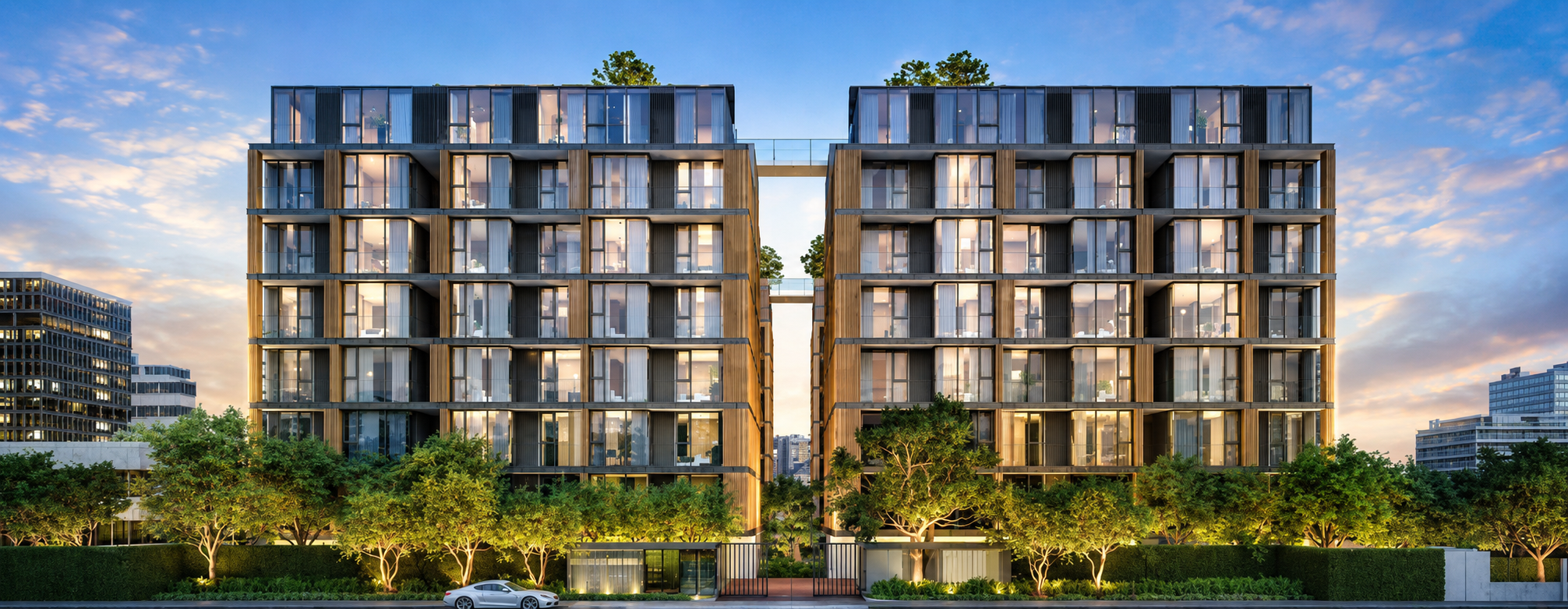
At the same time, buying Bangkok off-plan condos involves real risks. Project delays, weak developer track records, unclear specifications, over-optimistic rental projections, and legal issues can all affect your return and your peace of mind. That is why every buyer should look beyond glossy brochures and artist renderings before making a reservation.
This guide explains how to buy an off-plan condo in Bangkok more safely, what to check before signing a sales and purchase agreement, how to compare projects by price per square meter and location, and what foreign buyers need to know about quota and fund transfers.
What Is an Off-Plan Condo in Bangkok?
An off-plan condo is a unit purchased before the building is finished. In many Bangkok developments, buyers reserve units during the pre-sale or launch phase, then pay in stages while the project is under construction. By completion, the buyer takes transfer of ownership and either moves in, rents the unit out, or resells it.
Bangkok off-plan condos are popular because they often offer:
- Lower launch prices than completed stock in the same area
- Flexible payment plans spread across construction milestones
- Access to better unit positions, views, and layouts
- Potential upside if prices rise before handover
- Brand-new facilities and modern layouts that appeal to tenants and owner-occupiers
Why Buyers Choose Off-Plan Condos in Bangkok
1. Lower Entry Pricing
Developers commonly release early inventory at more attractive prices to build sales momentum. For buyers comparing new launch condos in Bangkok, this can create a lower entry point than buying the same project closer to completion.
2. Better Choice of Units
Early buyers often have more options for floor level, facing direction, stack position, layout, and view. In strong locations near BTS or MRT stations, the best units are often taken first.
3. Flexible Installment Structure
Many off-plan projects allow buyers to pay a reservation fee, contract payment, and then staged installments during construction before the final transfer payment. This can improve cash flow compared with paying the full amount upfront for a completed condo.
4. Investment Potential
In the right micro-location, a well-priced off-plan condo can deliver capital appreciation, rental demand, and better resale appeal after completion. Areas with strong tenant demand, convenient transport links, and quality developers usually perform better over time.
Main Risks of Buying Off-Plan Condos in Bangkok
Project Delay or Non-Completion
Construction delays are one of the most common off-plan risks in Thailand. A delayed handover can affect your rental plans, cash flow, and expected return. In more serious cases, a financially weak developer may fail to complete the project at all.
To reduce this risk, check the developer’s track record, delivery history, financial strength, construction progress, land ownership, permits, and environmental approvals. Established developers with multiple completed projects generally offer more confidence than unknown or lightly capitalized operators.
Final Product Differs from Marketing Materials
Renderings, brochures, and show units are marketing tools, not the finished condo itself. Materials, appliances, layout details, common areas, and views may differ from what a buyer expects if specifications are not clearly documented.
Always review the specification sheet, floor plan, furniture package, appliance list, and common-area details. Ask what is included in the handover condition and compare this with the developer’s completed projects.
Overstated ROI or Rental Projections
Some sales teams present optimistic rental yield or appreciation forecasts. These should never be accepted at face value. Compare the project’s price per square meter with comparable condos in the same area, near the same BTS or MRT line, and with similar age, facilities, and target tenant profile.
Check whether the area is driven by expat demand, office demand, student demand, or owner-occupiers. Realistic investment analysis should consider vacancy, common area fees, furnishing costs, transfer fees, and resale liquidity.
How to Evaluate a Bangkok Off-Plan Condo Investment
Location Comes First
In Bangkok, location has a major impact on rental demand and long-term resale value. Buyers should focus on established or improving districts with transport connectivity and everyday convenience.
Popular Bangkok condo investment areas often include Sukhumvit, Asoke, Phrom Phong, Thonglor, Ekkamai, Rama 9, Sathorn, Silom, Ari, On Nut, and Ratchada. Projects near BTS and MRT stations usually have stronger appeal to both tenants and future buyers.
Compare Price Per Square Meter
Do not judge value by total purchase price alone. Compare each project by price per square meter against nearby completed condos and other new developments in the same submarket. A premium may be justified by location, developer brand, larger facilities, superior views, or a more desirable tenant base, but it should be supported by market evidence.
Assess Unit Layout and Livability
A lower launch price does not help much if the layout is inefficient. Look at usable space, bedroom privacy, natural light, kitchen practicality, balcony size, and whether the unit type matches the needs of likely tenants or future buyers.
Review Facilities and Building Positioning
Modern Bangkok tenants often expect a gym, pool, co-working area, security, and attractive common spaces. For higher-end markets, concierge services, pet policies, parking ratios, and wellness amenities may also matter.
Think About Exit Strategy
Before buying, decide whether you plan to hold for rental income, live in the unit, or resell before or after completion. A clear exit strategy helps determine what unit type, location, and developer make the most sense.
Best Bangkok Areas to Consider for Off-Plan Condos
Sukhumvit, Phrom Phong, Thonglor, and Ekkamai
These areas appeal to expats, professionals, and lifestyle-focused tenants. They are often more expensive per square meter, but demand can be resilient if the project is near BTS and surrounded by strong amenities.
Asoke and Rama 9
These districts attract office workers and buyers seeking central-city convenience. Rama 9 in particular has remained popular for newer high-rise supply and transport connections.
Sathorn and Silom
Good for buyers targeting CBD access and business-district demand. Well-located projects here can suit both owner-occupiers and investors looking for professional tenant profiles.
On Nut, Ari, and Ratchada
These areas can offer more accessible entry pricing while still maintaining good transport links and rental appeal. They are often considered by buyers balancing affordability with long-term growth potential.
Legal Checks Before You Buy
Legal due diligence is essential when buying any Bangkok condo off-plan. A Thai property lawyer can review the project documents, contract terms, and developer background before you commit.
Important legal checks include:
- Land title deed and ownership status
- Building permits and project approvals
- Environmental Impact Assessment where applicable
- Developer company registration and authorized signatories
- Project registration details and condominium structure
- Sales and purchase agreement terms
- Penalty clauses for delayed completion
- Refund rights if the unit is not delivered as agreed
- Dispute resolution and transfer conditions
Contract Terms to Review Carefully
- Reservation fee and payment deadlines
- Installment schedule during construction
- Exact unit size, layout, and specifications
- Furniture and appliance inclusions
- Estimated completion and transfer date
- Late-completion compensation
- Conditions for cancellation, refund, or assignment
- Common area fees, sinking fund, and transfer charges
Foreign Buyers: What You Need to Know
Foreigners can buy condominium units in Thailand, but the project must still have foreign quota available at the time of transfer. In general, foreign ownership in a registered condominium project is limited by law, so this should be checked early in the buying process.
Foreign buyers should also make sure their purchase funds are remitted correctly from overseas and documented properly for ownership transfer. This is especially important if you plan to register the condo in a foreign personal name.
Ask About Foreign Quota Early
Before paying a reservation fee, confirm that the unit can be transferred under foreign quota if needed. This should not be assumed, especially in popular projects.
Use the Correct Fund Transfer Process
Foreign buyers typically need to remit funds from abroad in foreign currency and obtain the required bank documentation for transfer at the Land Department. Your lawyer and receiving bank should guide you on the exact process and paperwork.
Costs Beyond the Purchase Price
Many buyers focus only on the headline selling price. In reality, total acquisition cost may include:
- Reservation fee
- Contract payment
- Construction-stage installments
- Transfer fees
- Common area fee
- Sinking fund
- Legal fees
- Furnishing and decoration costs
- Utility setup and moving-in costs
If you are buying for investment, include all of these when calculating rental yield and total return.
Questions to Ask the Developer Before Booking
- What is the expected completion date and handover timeline?
- Has the developer completed similar projects in Bangkok before?
- What exactly is included in the unit handover?
- Are there any guaranteed rental return claims, and what assumptions support them?
- What are the common area fees and sinking fund charges?
- Is foreign quota available for this unit?
- Can the contract be assigned or resold before completion?
- What compensation applies if the project is delayed?
Should You Buy an Off-Plan Condo in Bangkok?
Buying off-plan in Bangkok can make sense if you choose the right developer, the right location, and the right unit at the right price per square meter. It is often most attractive to buyers who want modern facilities, staged payments, and exposure to future value growth in strong Bangkok neighborhoods.
However, it should never be a blind purchase. The best off-plan condo deals in Bangkok are not just about launch discounts. They are about developer credibility, transport access, realistic rental demand, sound legal review, and a project specification that will still be competitive when the building is completed.
Frequently Asked Questions
Is buying an off-plan condo in Bangkok safe?
It can be safe if you buy from a reputable developer, verify permits and legal documents, review the contract carefully, and compare the project against real market data in the same location.
Can foreigners buy off-plan condos in Bangkok?
Yes, foreigners can buy condominiums in Thailand, but foreign quota availability and correct overseas fund transfer documentation must be checked before transfer.
How much deposit do you pay for an off-plan condo in Bangkok?
It varies by project, but buyers usually pay a reservation fee, a contract payment, and then staged installments during construction before the final transfer payment.
What is more important: launch price or location?
Location is usually more important over the long term. A slightly higher-priced project in a stronger micro-location near BTS or MRT can outperform a cheaper project in a weaker area.
Can you make money from Bangkok off-plan condos?
Yes, but only when the purchase price, location, developer quality, and future demand support appreciation or rental income. Buyers should not rely only on sales-room projections.
Need Help Comparing Bangkok Off-Plan Condo Projects?
If you are considering buying an off-plan condo in Bangkok, the safest approach is to compare projects by location, developer reputation, foreign quota availability, payment plan, and real price-per-square-meter value. A good advisor can help you shortlist projects near BTS or MRT lines, review likely rental demand, and connect you with legal support before you commit.
Hero Realtor can help you compare Bangkok off-plan condo opportunities, understand the buying process, and identify projects that match your budget, location preference, and investment goals.