





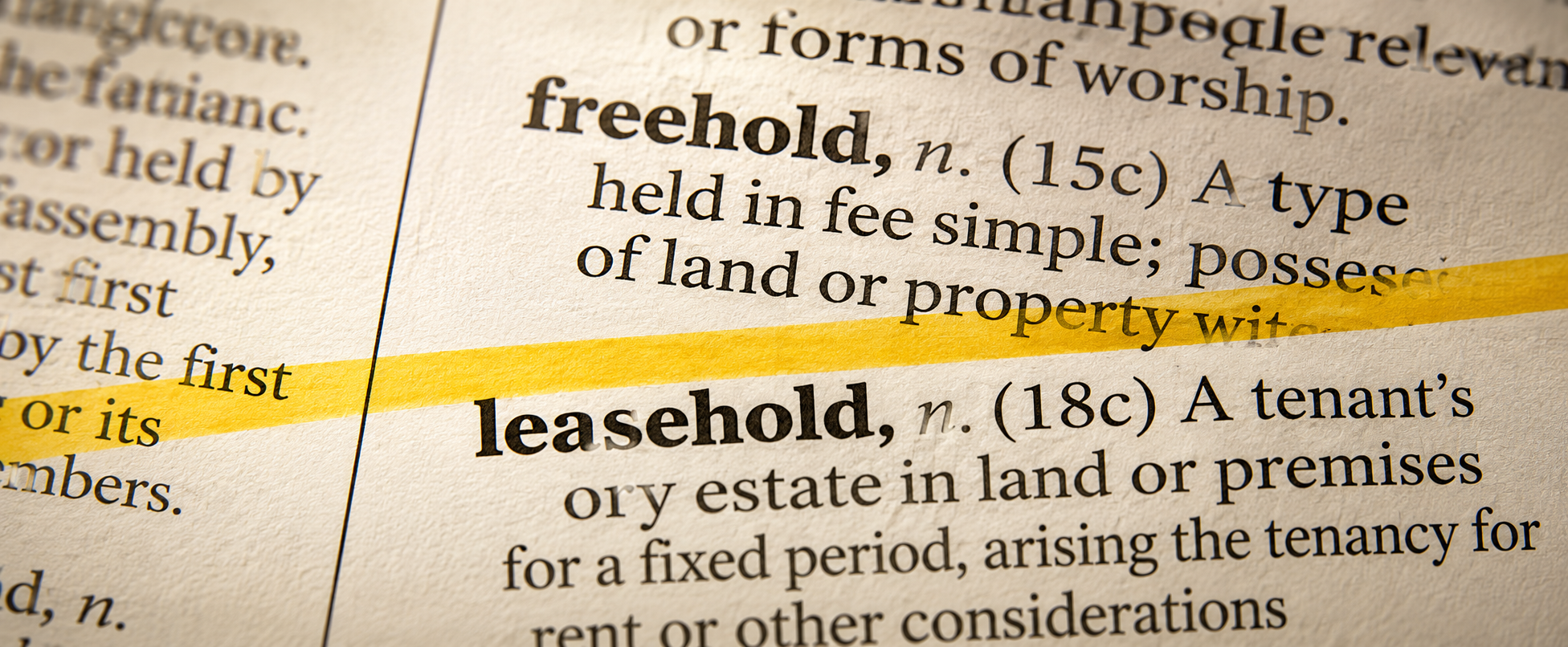
When buying property in Bangkok or anywhere in Thailand, one of the first legal questions is whether the property is freehold or leasehold. This difference affects ownership rights, resale value, long-term security, inheritance planning, financing, rental potential and risk.
For most buyers who want long-term ownership and easier resale, freehold is usually the preferred structure. Leasehold may still be suitable in selected cases, especially when the location is rare, the price discount is meaningful and the buyer clearly understands that the right is time-limited.
This guide explains the difference between freehold and leasehold property in Thailand, with practical notes for Bangkok condo buyers, foreign buyers, investors and long-stay residents.
Quick Summary: Freehold vs Leasehold in Thailand
| Topic | Freehold | Leasehold |
|---|---|---|
| Legal position | Ownership of the property interest, such as a condominium unit title | Right to use or occupy the property for a fixed lease term |
| Best for | Long-term owners, resale-focused buyers and foreign condo buyers when quota is available | Fixed-term users, lower-entry-price buyers and special-location projects |
| Foreign condo buyers | Possible within the legal foreign ownership quota | Possible as a lease right, but not the same as ownership |
| Typical legal issue | Foreign quota, money transfer evidence, title and transfer checks | Lease registration, remaining term, renewal clauses and transfer rights |
| Resale | Usually easier to understand and compare | Can be harder to resell as the lease term shortens |
What Is Freehold Property in Thailand?
Freehold means the buyer owns the property interest rather than only holding a temporary right to use it. For condominium buyers, this normally means ownership of a condominium unit registered under the condominium title system.
For Thai buyers, freehold ownership of condos is usually straightforward. For foreign buyers, the most common legal route is freehold condominium ownership within the foreign ownership quota. Thailand’s public information portal explains that foreigners may own condominium units under the Condominium Act, but foreign ownership in a condominium building must not exceed 49% of the total unit area. The buyer also needs a letter from the condominium juristic person confirming the foreign ownership proportion for transfer at the Land Department.
Foreign buyers also need to prepare the correct funds-transfer evidence. The purchase money for a foreign freehold condo transfer is generally required to be brought into Thailand from overseas in foreign currency, with supporting bank documentation for the Land Department transfer process.
What Is Leasehold Property in Thailand?
Leasehold means the buyer or tenant receives the right to use or occupy a property for a fixed period, but does not receive the same ownership position as freehold title. Leasehold structures may be used for land, houses, villas, commercial property, resort property or some condominium projects.
Thailand’s lease rules are important. Under the Civil and Commercial Code, leases of immovable property for more than three years must be made in writing and registered with the competent official to be enforceable beyond three years. The ordinary lease term for immovable property is generally limited to 30 years.
This means buyers should be careful with marketing phrases such as “30 + 30 + 30 years” or “99-year lease.” Renewal promises may be included in a contract, but they should not be treated as identical to registered freehold ownership. Any leasehold purchase should be reviewed by an independent Thai lawyer before payment.
Have 99-Year Lease or 75% Foreign Condo Quota Rules Changed?
There have been public policy discussions about extending lease terms and increasing the foreign condominium ownership quota. Thailand’s Government Public Relations Department reported in June 2024 that the government had tasked the Ministry of Interior with studying legal amendments related to 99-year leases and increasing foreign condominium ownership from 49% to 75%.
For buyers, the practical rule is simple: do not base a purchase decision on a proposal. Until a legal change is enacted and accepted in the Land Department transfer process, buyers should work from the current practical framework: foreign freehold condominium ownership within the 49% quota and ordinary immovable-property leases that generally require registration and are capped at 30 years.
Freehold Property: Main Advantages
- Stronger long-term control: Freehold ownership gives the buyer a clearer legal position than a time-limited lease.
- Easier resale: Freehold condos usually have a wider buyer pool than leasehold units with a declining remaining term.
- Better for long-term planning: Freehold is usually easier to include in inheritance, family and investment planning.
- More transparent valuation: Freehold units are easier to compare with similar units in the same building or area.
- More buyer confidence: Many buyers, especially foreign condo buyers, prefer a registered ownership title where legally available.
Freehold Property: What to Check
- Confirm whether the property is legally freehold.
- For foreign condo buyers, confirm that foreign quota is available before paying a non-refundable deposit.
- Check the title deed, ownership history, encumbrances and registered area.
- Confirm that overseas remittance documents are prepared correctly for a foreign condo transfer.
- Review common fees, sinking fund, building rules, renovation rules and any outstanding charges.
- Check resale demand in the building and surrounding area.
Leasehold Property: Main Advantages
- Lower entry price: Leasehold property may be cheaper than comparable freehold property in the same location.
- Access to rare locations: Some prime land, resort, villa or special-use properties may only be available as leasehold.
- Suitable for fixed-term use: Leasehold may work if the buyer or tenant only needs the property for a defined period.
- Possible yield advantage: A lower acquisition cost may improve rental yield calculations, but only if the lease term and exit value are realistic.
Leasehold Property: Key Risks
- Declining term: The remaining lease term reduces over time, which can affect resale value.
- Renewal uncertainty: Renewal clauses are not the same as guaranteed ownership.
- Registration risk: A lease over three years that is not properly registered may not protect the tenant as expected.
- Financing limits: Banks may be more cautious with leasehold property than freehold property.
- Exit risk: Future buyers may be reluctant if the remaining lease term is short.
- Contract complexity: Transfer, inheritance, sublease, termination and renovation rights must be clearly written.
Freehold vs Leasehold for Bangkok Condos
Bangkok condominium buyers usually compare freehold and leasehold most often. Freehold condos near BTS, MRT, major business districts, international schools and lifestyle areas are often easier to understand and compare. Leasehold condos can still appear in prime areas, especially where land ownership or project structure makes freehold unavailable.
For foreign buyers, a freehold condo in Bangkok is usually the clearest structure if the building still has foreign quota and the remittance documents are correct. If the foreign quota is full, buyers may be offered Thai quota, leasehold, company structure or other arrangements. These alternatives require careful legal review and should not be treated as simple substitutes for foreign freehold ownership.
Freehold vs Leasehold for Houses, Villas and Land
Foreign ownership of land in Thailand is highly restricted. A foreign buyer may be able to own a building structure in some cases, but land ownership is a separate legal issue. For houses, villas or land-based property, leasehold structures are more common for foreign buyers, but the lease must be checked carefully.
Thai buyers, by contrast, may be able to buy land and houses freehold in the ordinary way. Even then, buyers should still check title, access road, zoning, mortgages, servitudes, building permits and any restrictions before purchase.
Freehold vs Leasehold for Investors
Investors should compare freehold and leasehold based on net return, risk and exit strategy. A leasehold property may show a lower purchase price and higher headline yield, but the remaining lease term can reduce resale value over time. Freehold property usually provides a clearer long-term asset, but may require a higher initial investment.
Before buying for investment, compare realistic rental demand, vacancy risk, resale history, building management, maintenance costs, tax and fees, and the likely buyer pool when you exit.
Decision Guide: Which Option Fits You?
Choose Freehold If:
- You want the clearest long-term ownership structure.
- You are buying a Bangkok condo and foreign quota is available.
- You want better resale flexibility.
- You plan to hold the property for many years.
- You want to include the property in inheritance or family planning.
- You do not want asset value tied to a declining lease term.
Consider Leasehold Only If:
- The price discount is large enough to compensate for the time-limited right.
- The location is difficult to replace with a freehold alternative.
- The remaining lease term is much longer than your planned holding period.
- The lease is registered correctly where required.
- The contract clearly covers transfer, inheritance, sublease, renewal and termination rights.
- You have independent legal advice before paying a deposit.
Due Diligence Checklist Before Buying
- Ownership structure: Confirm whether the property is freehold, leasehold or another structure.
- Foreign quota: For foreign condo buyers, request current foreign quota confirmation from the condominium juristic person.
- Funds transfer: Prepare foreign-currency remittance evidence correctly if buying a freehold condo as a foreigner.
- Title and registration: Check title deed, registered owner, unit size, mortgages and encumbrances.
- Lease registration: For leasehold property, confirm the registered lease term and Land Department evidence.
- Renewal clauses: Treat renewal promises carefully and have them reviewed by a lawyer.
- Building condition: Review maintenance, common fees, sinking fund, parking, facilities and juristic management.
- Taxes and fees: Confirm transfer fee, withholding tax, specific business tax, stamp duty and who pays each item.
- Exit plan: Understand who your future buyer or tenant is likely to be.
- Legal review: Use an independent Thai lawyer, especially for leasehold, off-plan, villa, land or high-value purchases.
Common Mistakes to Avoid
- Assuming leasehold is the same as freehold because the lease is long.
- Paying a deposit before confirming foreign quota.
- Ignoring the remaining lease term when calculating resale value.
- Relying only on verbal promises about lease renewal.
- Using nominee ownership or unclear company structures to bypass legal restrictions.
- Forgetting common fees, sinking fund, taxes and future selling costs.
- Buying in an unfamiliar area without testing commute, rental demand and resale market.
Final Recommendation
For most Bangkok property buyers, especially foreign condo buyers, freehold is usually the preferred structure when it is legally available. It is easier to understand, easier to compare and generally easier to resell.
Leasehold is not automatically a bad choice, but it must be priced and reviewed as a time-limited right. A good leasehold purchase depends on the remaining term, legal registration, renewal structure, transfer rights, discount to freehold value and your planned holding period.
Before buying property in Thailand, compare the ownership structure carefully, confirm the legal documents in writing and get independent legal advice. The right choice is the one that matches your nationality, budget, time horizon, risk tolerance and long-term plans.
Looking for Freehold or Leasehold Property in Bangkok?
Tell Hero Realtor your preferred location, budget, nationality, buying purpose, target move-in date and whether you prefer freehold or are open to leasehold. Our team can help you shortlist suitable Bangkok condos, houses and investment properties, compare ownership structures and arrange viewings before you make an offer.
Browse Bangkok properties for sale or contact Hero Realtor for personalised buying assistance.